
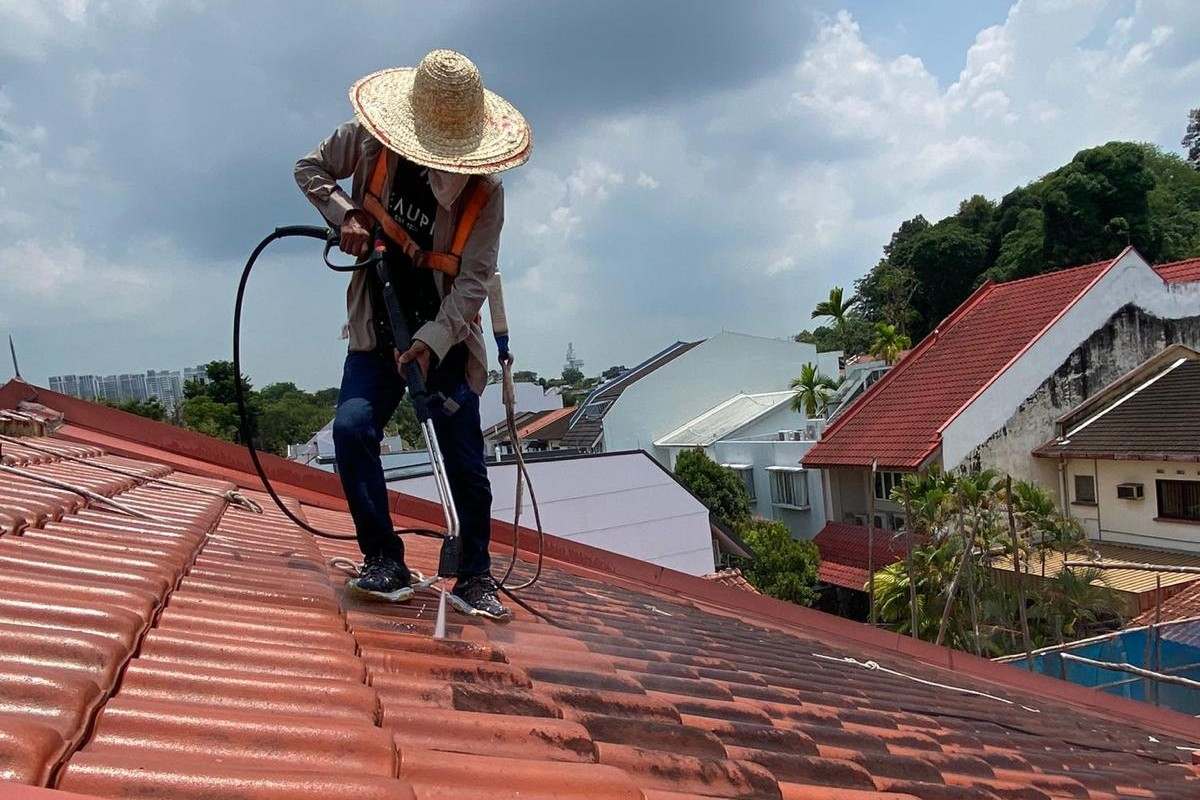
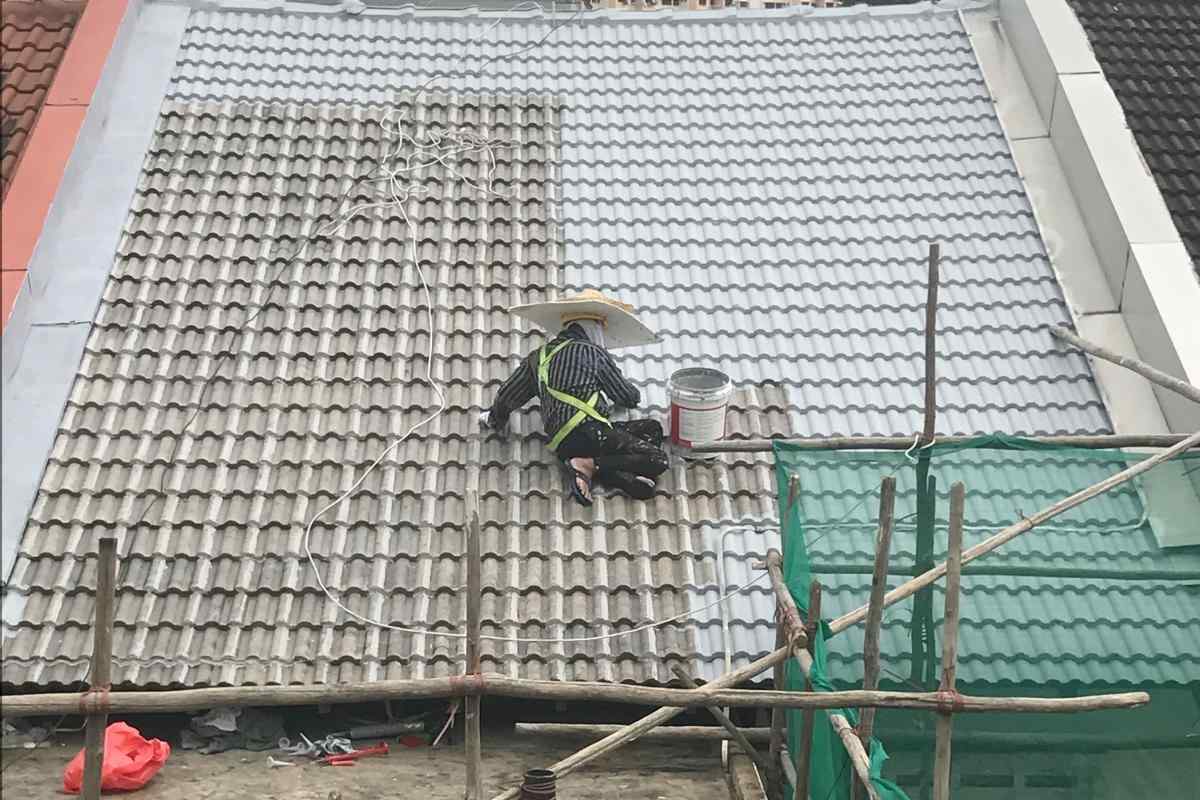
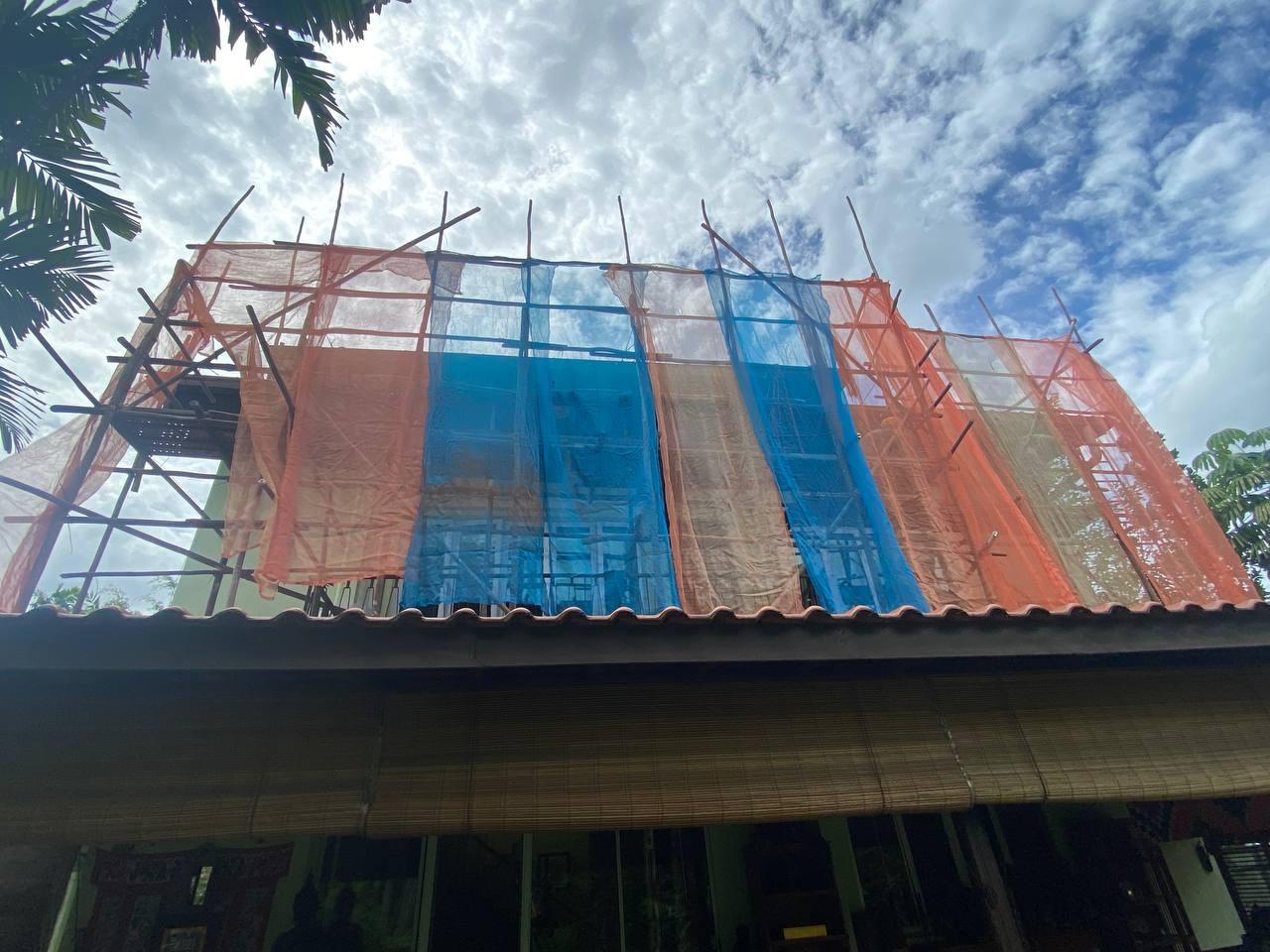
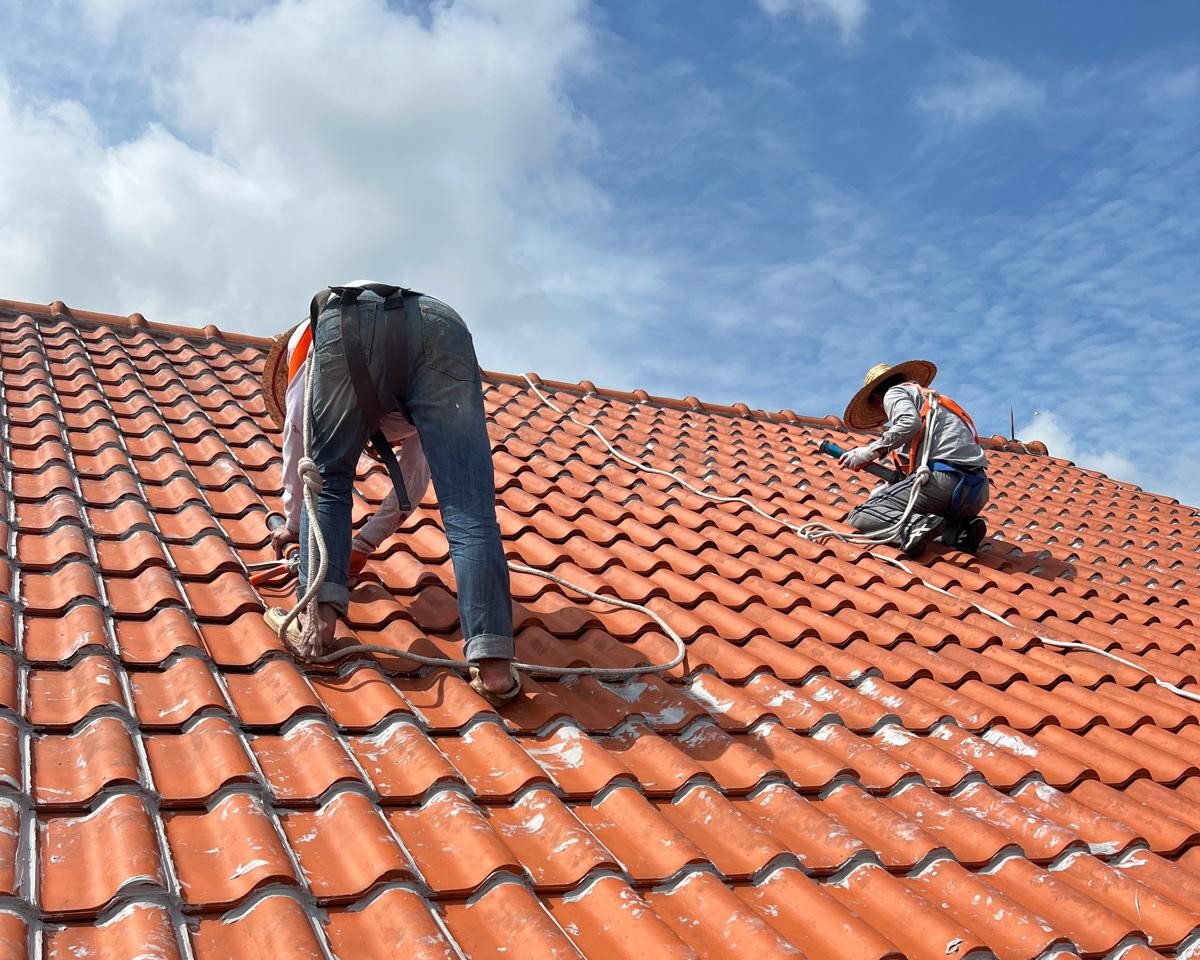
We provide jet washing, exterior restoration, repainting, gutter maintenance, sealant replacement, and minor repair works using proper access systems such as scaffolding and rope access.
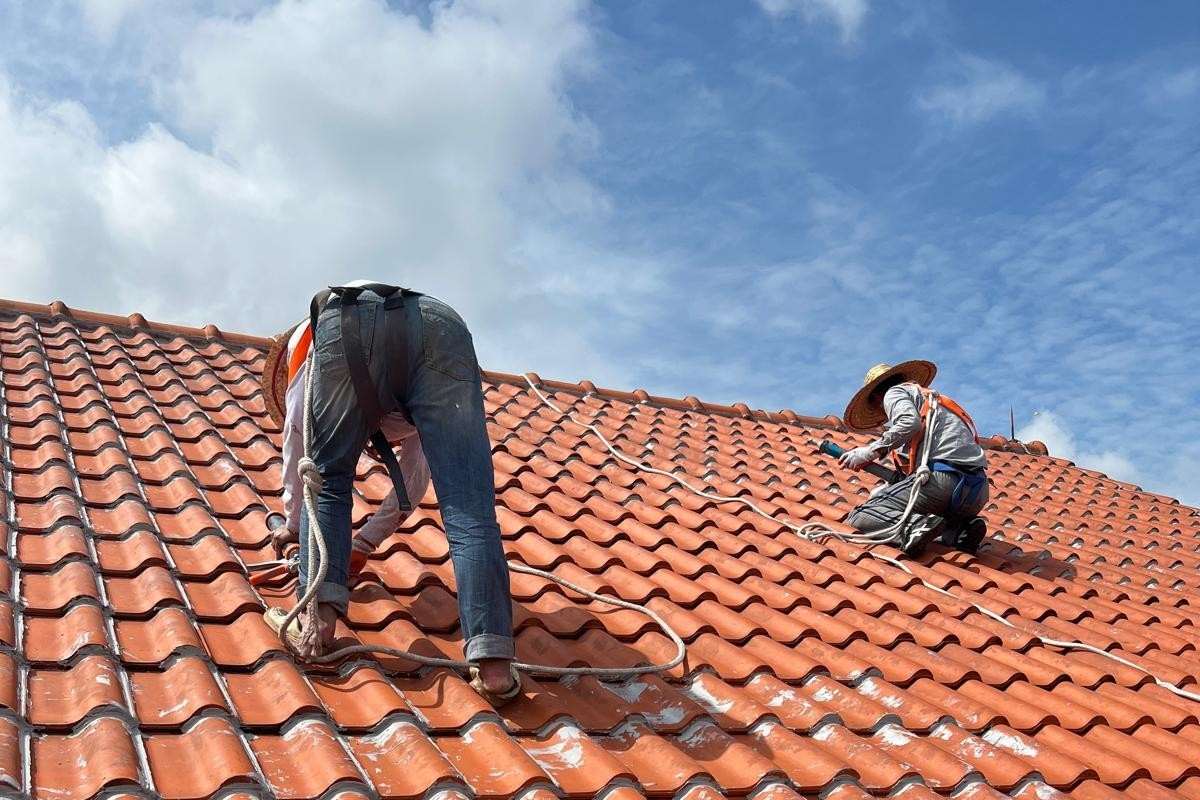

Every building naturally degrades due to constant exposure to rain, UV radiation, humidity, biological growth, and thermal expansion. Without regular restoration and maintenance, small issues such as algae growth, clogged gutters, or minor cracks can escalate into:
1. Water seepage
2. Paint failure,
3. Concrete deterioration
4. Long-term structural damage
Preventive maintenance is not just cosmetic, it is a protective system that helps extend the lifespan of your property and reduce future repair costs. For landed homes, exterior exposure is even more severe due to larger wall surface areas, limited drainage control and full environmental exposure on all sides.
Signs Your Walls May Need Waterproofing or Repair
Exterior walls exposed to constant moisture may develop algae, fungus or dark staining.
Accumulation of dust, dirt, and environmental stains over time on your walls and roof.
Moisture trapped beneath paint surfaces may cause bubbling or blistering.
UV exposure and weather conditions gradually weaken exterior coatings, reducing its effectiveness.
Persistent moisture and wall deterioration create conditions for plant growth within cracks or joints.
Blocked drainage may overflow or pond resulting in water damage. Not to mention the mosquito breakouts.

Exterior paint, sealant and waterproofing systems naturally deteriorate over time.
Singapore’s heat, humidity, and rain continuously stress exterior wall systems.
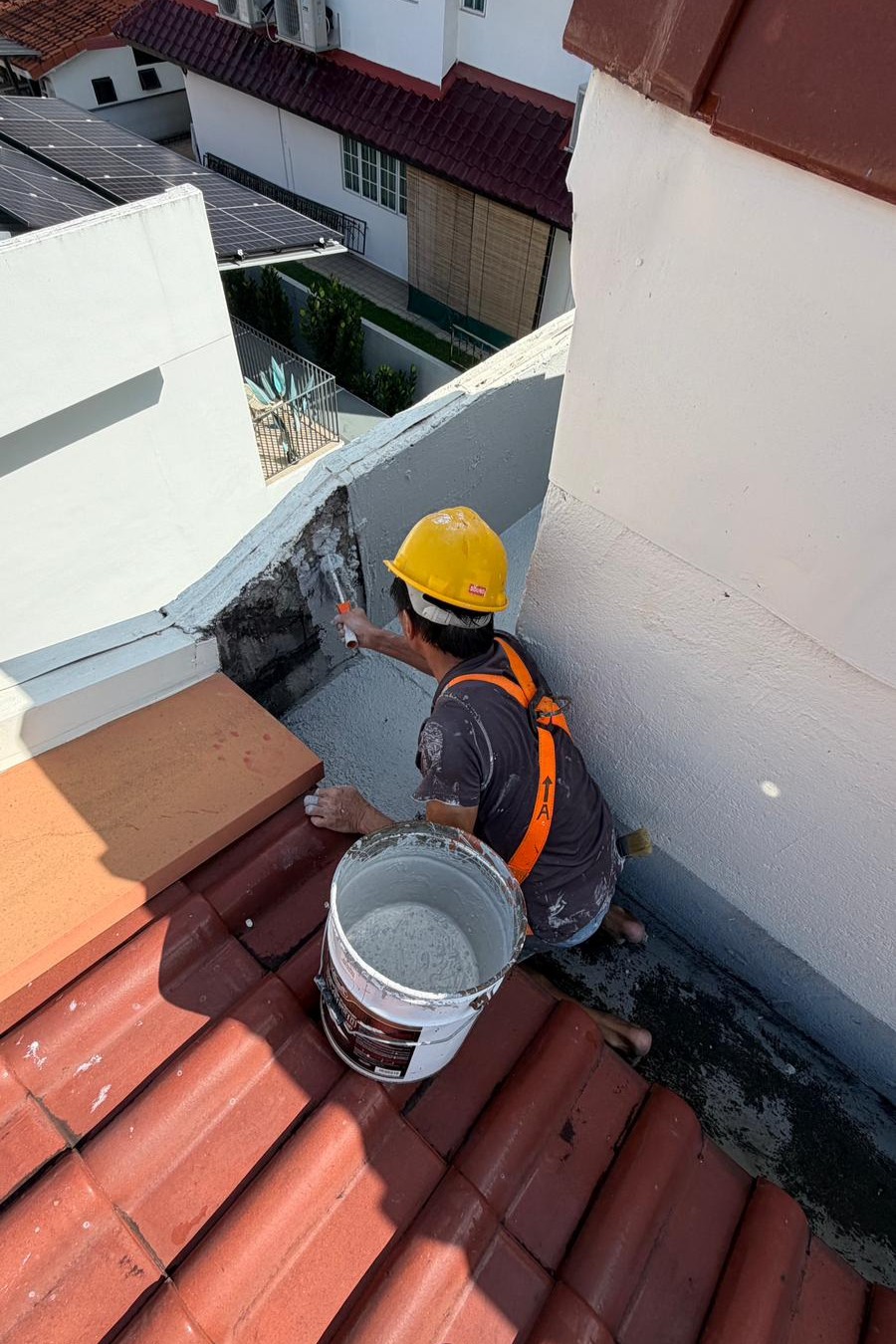

Small issues go unnoticed and are left untreated until major deterioration occurs.
Moss and algae thrive in moist, shaded environments. Unexpected growth of plants in clogged areas or cracks.
At GJC Waterproofing, we establish credibility through clear and consistent communication, ensuring our process remains fully transparent.
Inspection of exterior wall and roof condition, gutter and drainage system, sealant and joint, paint systems as well as biological growth severity
Determining the issue we are dealing with is cosmetic or functional deterioration, combined with risk areas that may be compromised
Since every one of your home is unique, depending on the condition and after the on-site diagnosis, material systems, repair scopes and quotation will be presented

Common works may include, but not limited to:
1. Installation of scaffolding or rope access (if necessary for accessibility)
2. High-pressure jet washing of exterior walls
3. Removal of dirt, algae, moss, and environmental staining
4. Localised repainting
5. Protective coating touch-up
6. Drainage point clearing during washing works
Ideal as regular maintenance before widespread deterioration occurs.
Exterior washing starts from $1,500 onwards
Final quotations are determined following a comprehensive site inspection and evaluation due to the various factors influencing costs.
Common works may include, but not limited to:
1. Installation of scaffolding (if necessary for accessibility)
2. Surface preparation
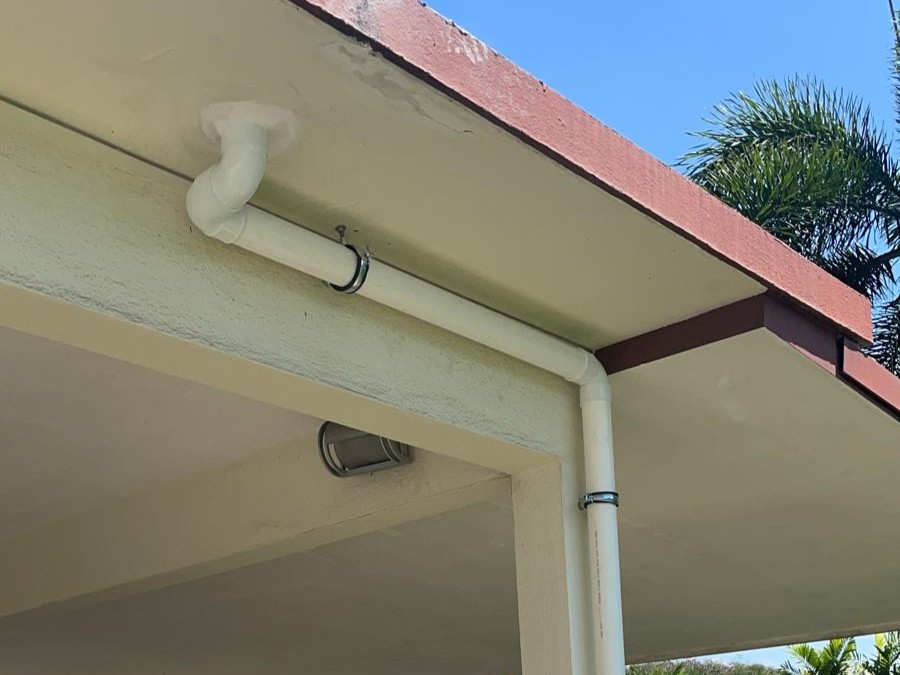
3. Gutter cleaning and debris removal
4. Minor gutter alignment or repair works
5. Downpipe flushing and blockage clearing
6. Water flow checking and drainage testing
Ideal as regular maintenance without full restoration.
Gutter maintenance starts from $800 onwards
Final quotations are determined following a comprehensive site inspection and evaluation due to the various factors influencing costs.
Common works may include, but not limited to:
1. Installation of scaffolding and rope access (if necessary for accessibility)
2. Surface preparation
3. Removal of contaminants
4. Minor crack treatment
5. Primer application
6. Painting
7. Joint and detailing touch-up works
Ideal for extensive paint deterioration, large-scale wall defects and aging exterior facade.
Exterior repainting starts from $13,000 onwards
Final quotations are determined following a comprehensive site inspection and evaluation due to the various factors influencing costs.
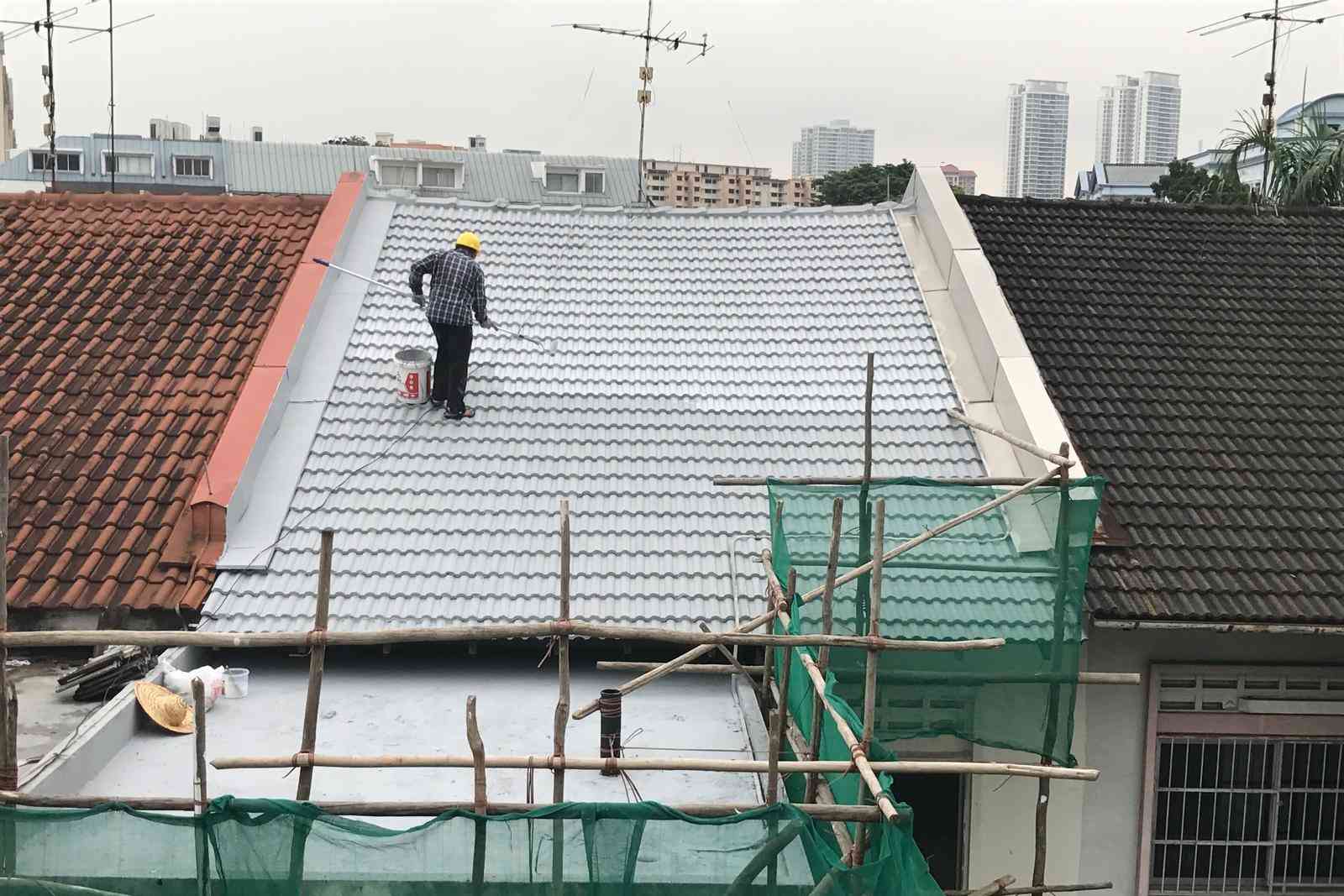
Common works may include, but not limited to:
1. Protection of flooring, furniture and surrounding areas
2. Removal of loose or peeling paint
3. Surface preparation
4. Minor crack patching and touch-up repairs
5. Primer application
6. Interior paint application
7. Multiple coating layers depending on surface condition
Ideal for previous interior damage or aesthetic renewal
Interior repainting starts from $4,000 onwards
Final quotations are determined following a comprehensive site inspection and evaluation due to the various factors influencing costs.
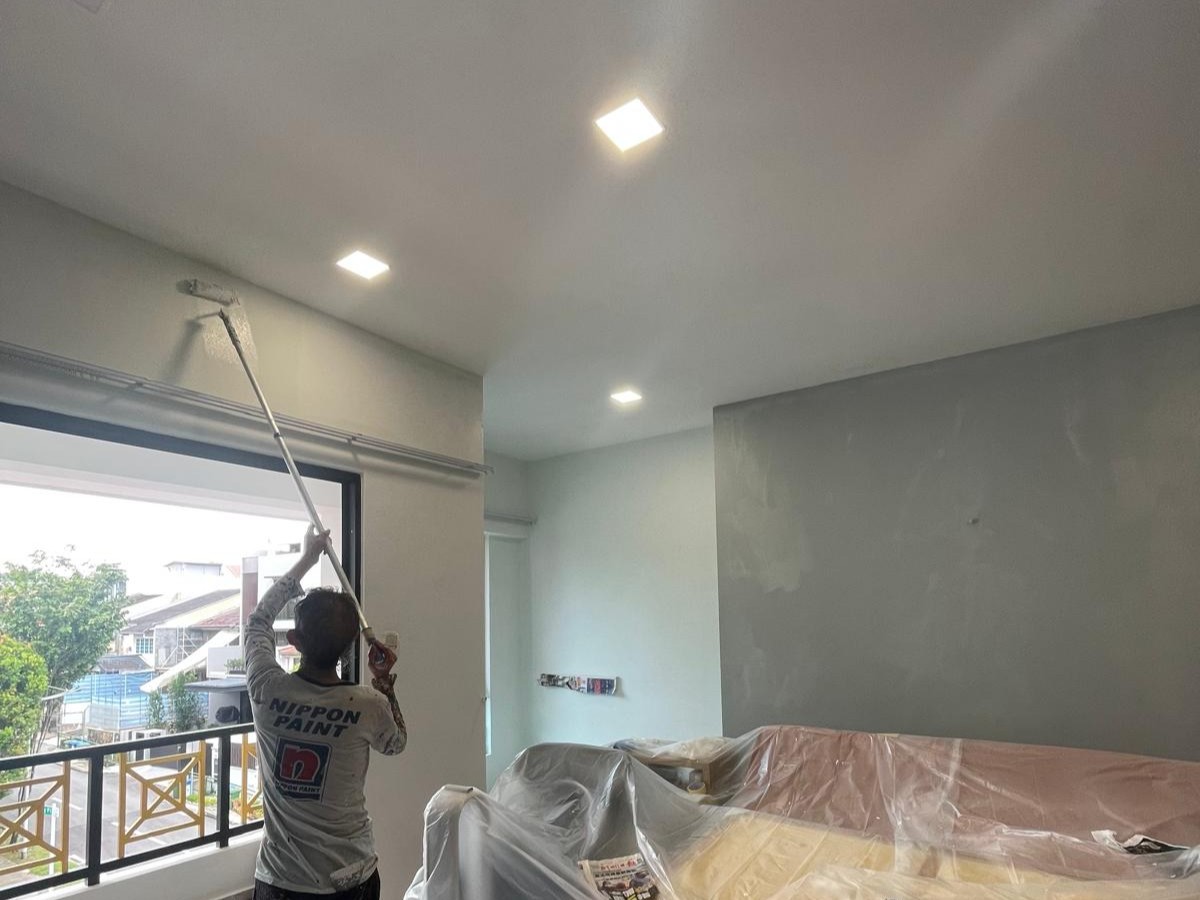
Biological treatment is required if you found plants growing within the wall or cracks on roofs, commonly found in older properties with major deterioration. This is a sign that water has entered the boundaries and may cause further damage if not attended to
Common works may include, but not limited to:
1. Installation of scaffolding (if necessary for accessibility)
2. Moss, algae, fungus, or biological growth treatment
3. Surface preparation
4. Hairline crack treatment and sealing
5. Joint and detailing repairs where necessary
6. Primer application
7. Application of waterproofing coating and sealing systems
8. Application of anti-fungal or anti-algae solutions
9. Painting
Biological treatment and crack repairs starts from $800 onwards
Final quotations are determined following a comprehensive site inspection and evaluation due to the various factors influencing costs.
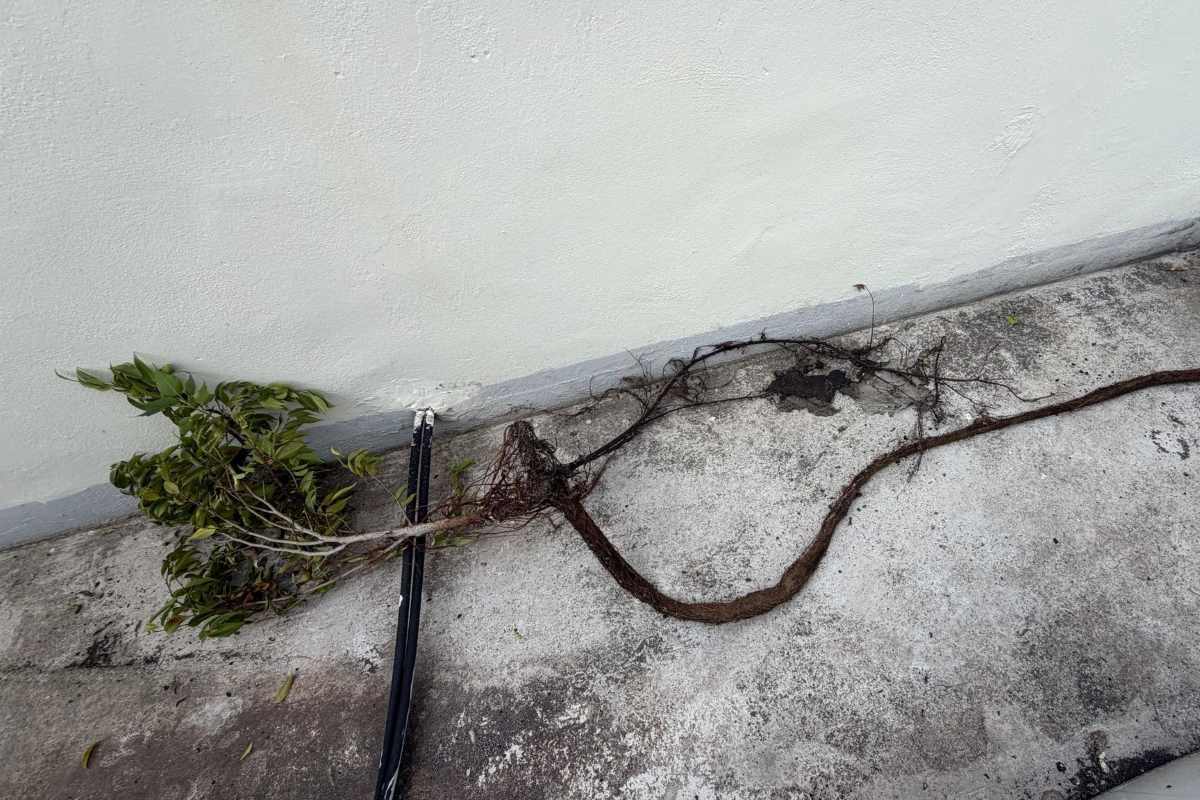
Residential, Commercial & Industrial Roof Waterproofing Across Singapore
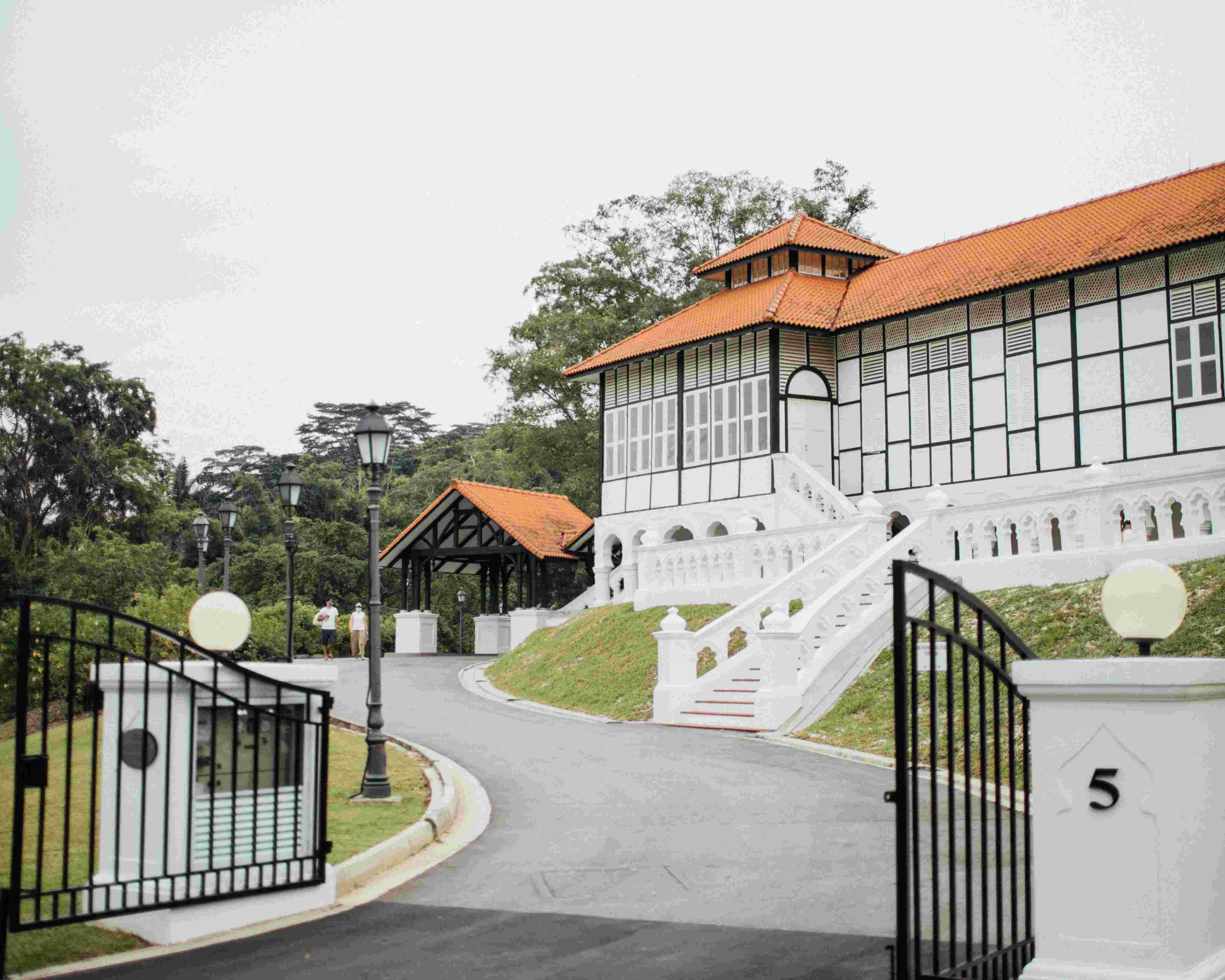
We provide property maintenance services for terrace and semi-detached houses, including roof and exterior washing, repainting, and biological treatment to remove algae, mold, moss and unwanted plant growth.
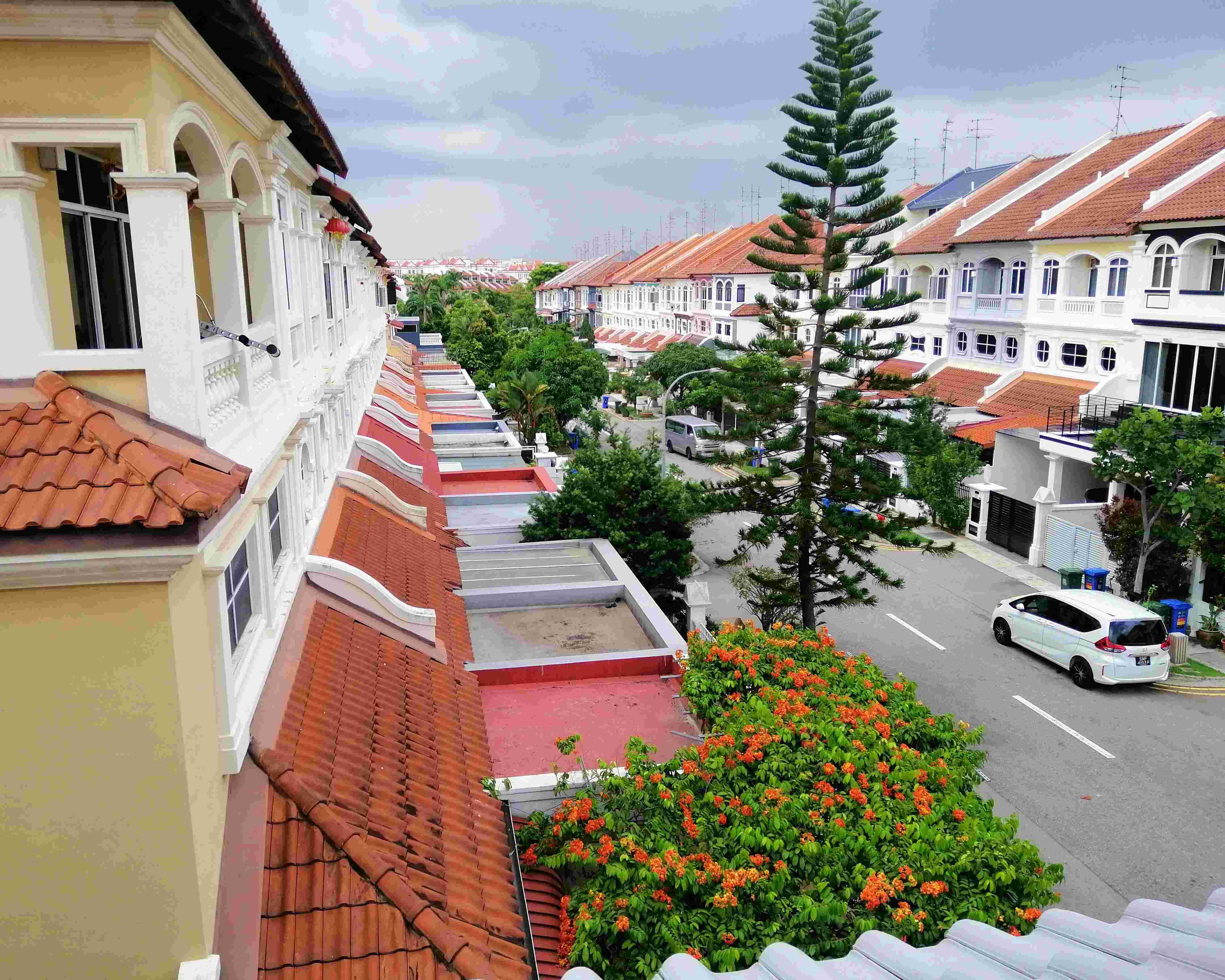
We carry out roof and exterior cleaning, repainting, and biological treatment works to help maintain the property’s condition, improve overall appearance and prevent damage caused by algae and invasive plant growth over time.
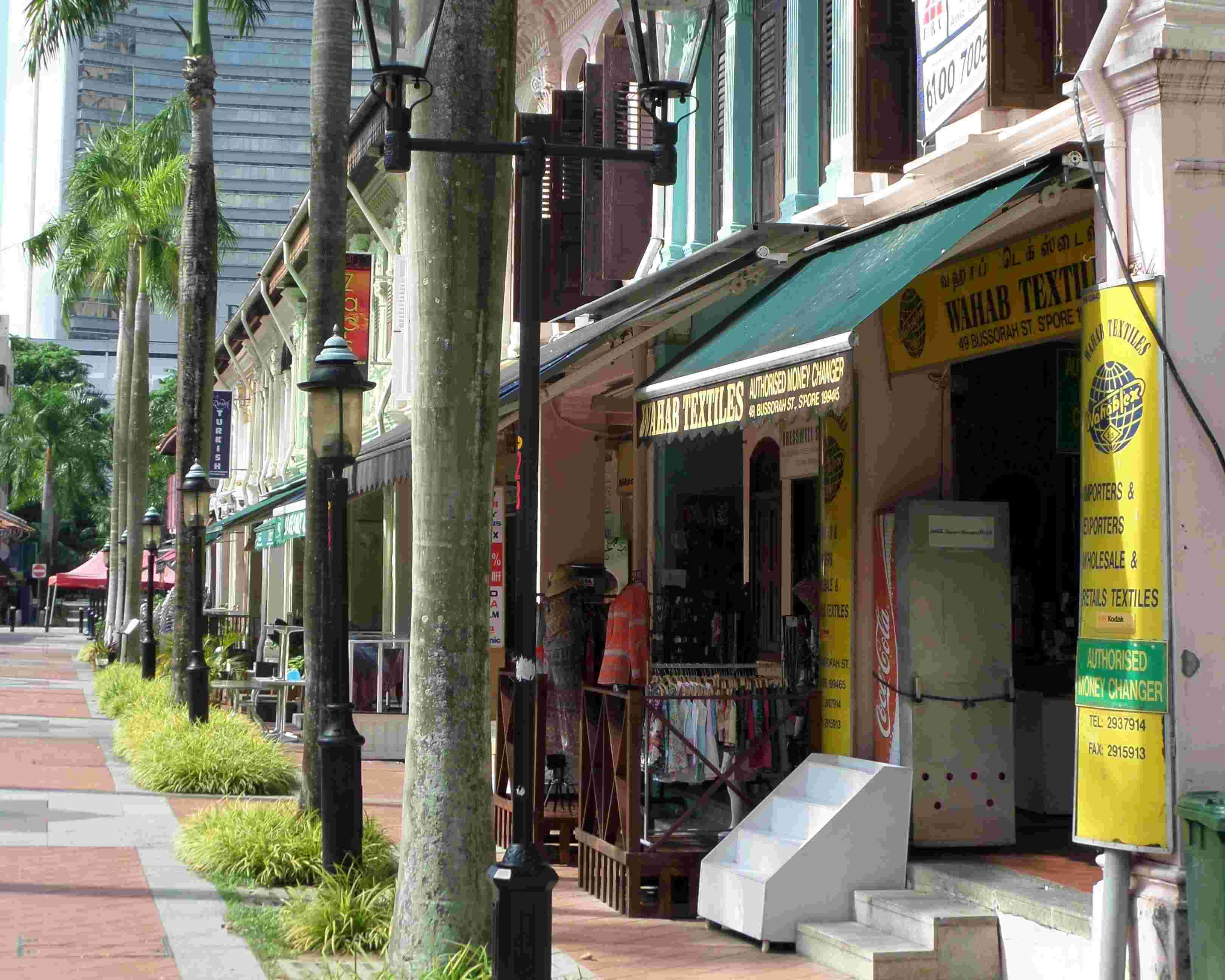
Commercial buildings experience greater public visibility and have more dirt buildup from surrounding activity. We preventing algae, mold, and staining from affecting the building’s image and condition.
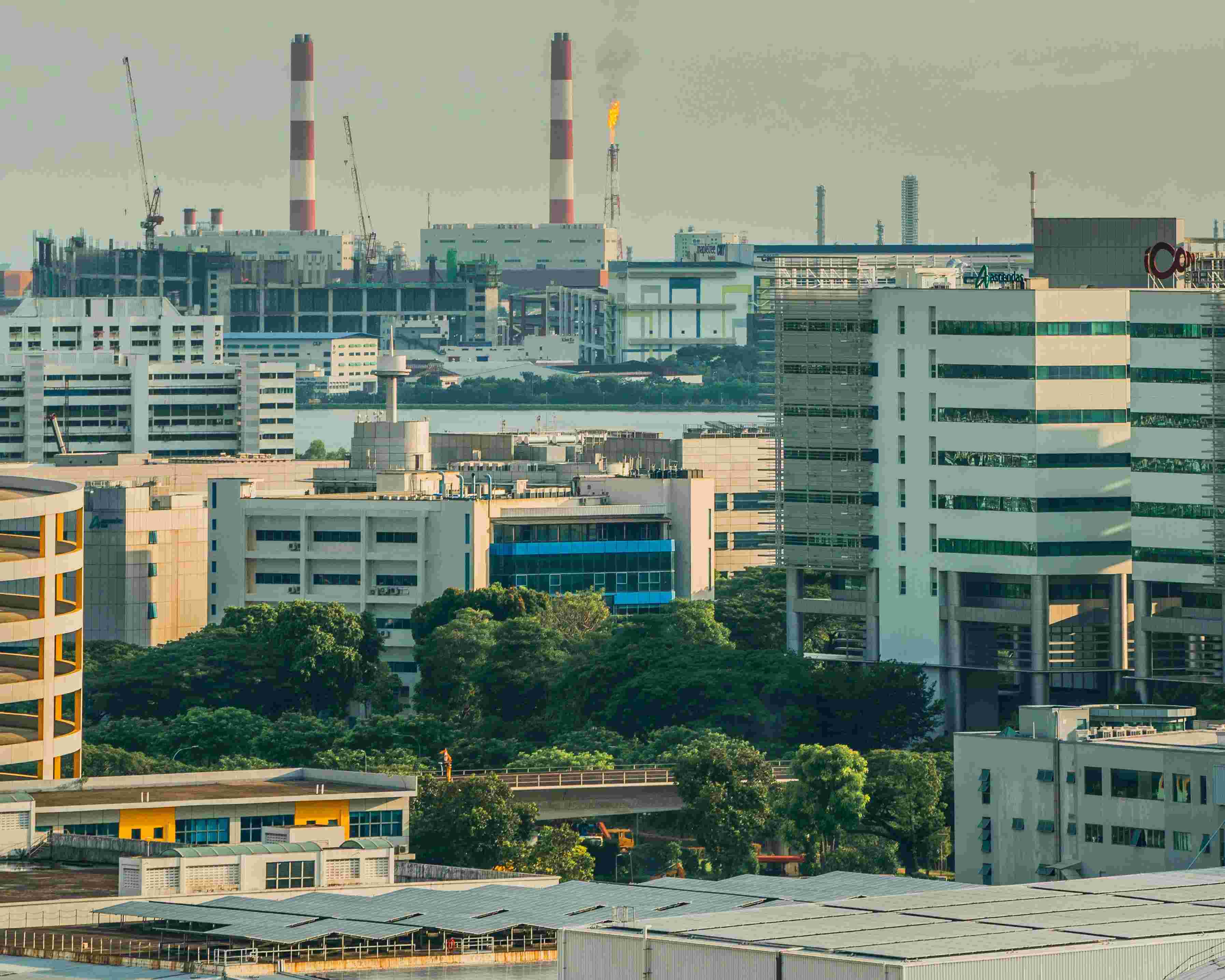
We provide roof and exterior washing, repainting, and biological treatment plant growth, focusing on both functionality and safety. Maintenance prevent surface degradation, improves working environment and ensures the building remains structurally protected.
When managing a landed property or a conserved shophouse in Singapore, your roof is your building's most critical defense system. However, many property owners only call a specialist when a visible water spot appears on the master bedroom ceiling. By the time a leak shows up indoors, water has likely been saturating your underlying structure for months. To protect your property value and avoid massive capital expenditures, you must understand the core difference between Preventive Maintenance and a Full Roof Restoration.
While both strategies keep your home watertight, they operate on completely different timelines and budget scales. Preventive Maintenance is a proactive, low-cost strategy. It involves regular, scheduled inspections (typically once or twice a year) to clear drainage gutters, replace individual slipped tiles, and reseal aging joints before they fail. The goal is to maximise and extend the natural lifespan of your existing roof. Full Roof Restoration is a reactive or planned capital expenditure. It is an engineering overhaul required when the roof system has reached the end of its useful life or has sustained widespread water logging. Because preventive maintenance is designed to prevent a disaster that has not happened yet, it feels like an optional expense rather than an urgent necessity. Homeowners typically struggle to commit due to two primary mental barriers:
1. The "Vaccine Paradox" (Paying to Feel Nothing)
Just like a vaccine, the ultimate proof that preventive maintenance is working is that absolutely nothing happens. When you pay for a new kitchen countertop or a fresh coat of interior paint, you get an immediate, tangible visual reward. When you pay a specialist to clear your roof gutters, check flashings, and apply proactive joint sealants, your ceiling looks exactly the same as it did yesterday. This reality is incredibly difficult for the human brain to feel good about spending money to maintain the status quo. Homeowners often rationalise the hesitation by thinking, "Well, it isn’t leaking right now, so why should I fix it?" They mistake the absence of a symptom for the absence of a disease.
2. High Upfront Cost vs. Low Perceived Necessity
Because roof work requires specialised access equipment (like scaffolding, boom lifts, or certified abseilers) and professional structural engineers, even a thorough maintenance inspection and tune-up carries a real cost. A homeowner looks at a $1,500 preventive maintenance quote and compares it to a $0 cost of doing nothing. Since the roof is not actively dripping onto their bed, the perceived necessity of the expense feels close to zero. It feels like an unnecessary "luxury" check-up. This is a massive financial miscalculation. In asset management, this is known as undermining the Cost of Inaction. Homeowners do not realise that they are not actually saving $1,500, rather they may be simply deferring a catastrophic $20,000 to $50,000 structural repair bill down the road.
Many property owners confuse exterior wall painting with waterproofing, mistakenly believing a fresh coat of standard paint will seal their building against leaks. While premium exterior architectural paint is excellent for aesthetics and offers minor weather shielding, it is a thin, rigid coating designed primarily to resist fading and dirt. It lacks the elastic elongation properties required to bridge the micro-cracks that naturally open up as a building expands and contracts in Singapore’s intense daily heat. True exterior wall waterproofing, on the other hand, utilizes thick, elastomeric high-build coatings or specialized polyurethane sealants. These professional systems cure into a heavy-duty, rubberized, and highly flexible membrane that can stretch up to several times its original length without cracking, effectively sealing structural cracks and locking out driving monsoon rains. Treating an active external wall leak with standard painting is a short-lived cosmetic fix that will quickly blister and peel; investing in dedicated elastomeric waterproofing is the only way to establish a long-term, watertight barrier that protects your property's internal structural integrity.
The Mindset Shift: You are not paying for a repair but rather you are buying risk mitigation. Spending money on preventive maintenance is simply paying a small premium today to legally lock in your property’s valuation and ensure you never have to pay a five-figure structural structural bill tomorrow.
Think of it this way: a proactive $1,500 maintenance check-up today prevents a catastrophic $35,000 emergency structural overhaul tomorrow. With preventive maintenance, you are paying a small, predictable sum on your own terms to keep your home safe. If you wait until a crisis forces your hand when water is actively ruining your master bedroom or concrete chunks are crashing through your ceiling, your upfront cost instantly balloons by over 2,000%. You are forced to swallow a massive five-figure penalty to cover modular scaffolding, structural engineers, concrete hacking and ruined custom carpentry. Spending a controlled $1,500 to keep your roof healthy is a smart investment while letting a hidden defect dictate a $35,000 emergency bill is financial self-sabotage.
With preventive maintenance, the structural disruption to your home is absolute zero. Technicians complete minor external tune-ups quietly from the outside using localised rope access or a boom lift, meaning your daily life remains completely untouched. If you wait for a crisis, your home instantly transforms into a high-risk construction zone for 3 to 4 exhausting weeks. You will have to live with the deafening roar of high-pressure concrete hacking directly above your head, massive dust containment sheets sealing off your living room, and modular scaffolding blocking your windows. Failing to act early means trading a fast, non-invasive afternoon inspection for a months-long structural salvage project that totally upends your family's peace and privacy.
Choosing $1,500 preventive maintenance adds an extra 5 to 7 years of peak performance to your existing roof, maximising your initial asset investment and keeping your hard-earned capital in your bank account. You safely stretch the lifespan of your roof for a tiny fraction of its replacement value. If you choose crisis management, you face immediate capital destruction. Waiting until the system fails means you lose your entire roof prematurely and are forced into an unbudgeted $35,000 to $50,000 total replacement. Worst of all, because you ignored a minor leak, your long-term loss doubles as you are forced to pay out-of-pocket to replace water-logged custom wardrobes, warped timber flooring, and mold-ruined ceilings, none of which would have occurred had you acted early.
In Singapore’s asset management landscape, property ownership is often defined by a silent financial gamble. Many homeowners view roofing and structural upkeep through a purely reactive lens, operating under a simple philosophy: "If it isn't dripping, it isn't broken." This mindset transforms preventive maintenance into an incredibly difficult sell. Much like a vaccine, the ultimate proof that preventive maintenance is working is that absolutely nothing happens. Because it lacks an immediate, tangible aesthetic reward, spending capital to maintain dry concrete or clear hidden gutters feels completely unnecessary. However, mistaking the absence of a symptom for the absence of structural decay is a critical miscalculation. In our punishing tropical climate, delaying maintenance until a crisis forces your hand is the most expensive way to run a property.
When you ignore routine maintenance to save on short-term operational costs, your property’s structure does not remain static. It undergoes a progressive, hidden deterioration that builds a massive financial deficit beneath the surface of Singapore landed homes and shophouses:
1. Choked Gutters to Foundation and Wall Failure: Routine maintenance ensures that valley gutters and rainwater downpipes are clear of leaf debris, silt, and bird nests. When ignored, tropical downpours cause water to backflow directly into your roof eaves, soaking into structural timber trusses or overflowing down the external facade. This leads to severe lateral dampness, ruined external plaster, and structural wood rot.
2. The Transition from Minor Leak to Concrete Cancer: A tiny, unsealed hairline crack on an RC flat roof allows rainwater to seep into the porous concrete matrix. Over a few seasons of intense daily thermal expansion and sudden cooling downpours, this water reaches the internal steel reinforcement bars. The rebar rusts, expanding up to several times its original volume. This triggers spalling concrete (concrete cancer), causing heavy chunks of your ceiling to physically fracture and drop away, turning a simple sealer touch-up into an expensive structural engineering remediation.
3. Electrical Short Circuits & False Ceiling Failures: Water tracking laterally through external walls quickly finds its way into electrical conduits, switch sockets, and false ceiling voids. This persistent moisture leads to sudden, frustrating safety-trip failures, short circuits, and in severe cases, dangerous electrical fire hazards behind your walls.
4. Oxidisation of Secondary Waterproofing Layers: Waterproofing membranes beneath roof tiles naturally dry out, crack, and lose their elasticity under relentless UV exposure. Preventive maintenance catches these brittle patches early. Ignoring them means the entire protective underlayment fails simultaneously, allowing widespread water ingress to compromise your entire ceiling infrastructure at once.
5. Unchecked Toxic Mold and Microclimate Risks: Trapped moisture in unventilated roof voids or false ceilings turns your upper floors into a hot house for toxic black mold. By the time you notice a faint musty smell or minor paint bubbling in your plasterboard, the mold colony has likely ruined your internal built-in carpentry, destroyed expensive wallpaper and severely degraded your indoor air quality (IAQ), risking your family's respiratory health.
The Cost Fact: Treating structural maintenance as an optional luxury that can wait until the next major renovation converts low-cost, preventative asset care into an emergency structural salvage project. Early intervention is not an expense, it is the single most effective risk mitigation strategy to protect your property's long-term market valuation.
When dealing with water ingress, trying to manage the symptoms yourself or delaying professional intervention will only prolong the damage. Avoid these four common pitfalls:
1. Repainting Internal Walls to Hide Water Stains. Slapping a fresh coat of sealer or anti-stain paint over a damp, peeling, or discolored patch on an internal wall to tidy up the room. Paint does absolutely nothing to stop the water entering from the outside. Because the external masonry crack is left wide open, moisture will continue to push through the wall. The hydrostatic pressure will trap water behind the fresh paint layer, causing it to bubble, blister, and peel away again within a matter of weeks while the internal structure keeps rotting.
2. Using DIY Silicone for Surface Cracks. Standard retail sealants lack the elongation properties and UV stability required for exposed concrete structures. Under intense daily thermal expansion, the concrete moves, causing rigid silicone to tear away from the crack edges. This actually traps water inside the crack, speeding up internal rebar corrosion.
3. Buying "Water-Resistant" Pails or Towel Solutions. Managing the ingress by stuffing towels along window ledges or putting pails next to the wall during a storm, assuming the issue is managed as long as water doesn't flood the room. Pails and towels only collect the water that has already completely bypassed your external defense, traveled through your structural brickwork, and ruined your internal finishes. For every drop that hits the pail, gallons of water remain trapped inside the porous wall, quietly weakening the building's structural framework above and around you.
4. Choosing a Standard Exterior Paint Job to Solve an Active Leak. Hiring a general painter to apply a standard coat of architectural paint over the external facade, thinking it doubles as a waterproofing sealer. Premium architectural paint is designed for aesthetics, dirt resistance, and basic weather shielding making it unsuitable for its intended job. It cannot bridge moving micro-cracks. As the building expands and contracts in the sun, standard paint will simply split right along the existing fracture lines, allowing the very next monsoon downpour straight into your home. Active water ingress requires a high-build, flexible elastomeric waterproofing membrane that stretches like rubber.
If you have any unanswered question, feel free to email us at contact@gjcwaterproofing.com.sg or Whatsapp us. We will get back to as soon as possible.
Black or green stains are usually caused by algae, fungus, mold, or dirt buildup due to constant moisture exposure and Singapore’s humid weather conditions.
In some cases, yes. However, failing or incompatible systems may require removal before new application. At GJC Waterproofing, we do not engage in "predatory upselling" and "'rouge mechanic"
Yes, when done correctly. Different surfaces require different pressure levels and cleaning methods. Improper washing may damage coatings or force water into vulnerable areas, so surface condition must be assessed first.
Yes. Even small cracks may allow rainwater to penetrate the wall surface over time, eventually leading to damp interior walls or ceiling damage.
The lifespan depends on the coating system used, wall condition, weather exposure, and maintenance practices. Different systems offer different durability levels.
Yes. Blocked gutters may cause water overflow, ponding, and hidden seepage issues around roofs, walls and ceiling areas if left unattended. How often it should be cleaned depends on surrounding conditions such as nearby trees, debris accumulation and roof design. Properties exposed to heavy leaf buildup or frequent storms may require more regular maintenance.
Not every property requires full repainting. If deterioration is isolated, localised repainting or restoration may be sufficient. During inspection, we assess whether partial works or full restoration would provide better long-term results and visual consistency.
1. The extent of deterioration, whether moisture has spread beyond visible areas, the age and condition of existing coatings.
2. If the surrounding walls are showing signs of weakening.
For example, isolated cracks or minor seepage may only require localised treatment,while widespread peeling paint, multiple leakage points, or aging coatings across several elevations may indicate broader waterproofing deterioration. During inspection, we will assess your property and only recommend what kind of restoration would provide better long-term protection while being cost efficienct.
Exterior painting focuses mainly on appearance and surface protection, while waterproofing systems are designed to reduce water penetration and protect the wall structure itself.
Project duration depends on the size of the property, scope of works, access requirements, weather conditions, and the condition of existing surfaces. Smaller maintenance works such as gutter cleaning or localised repairs may be completed relatively quickly, while larger restoration projects involving exterior repainting, jet washing, scaffolding, or rope access may require a longer timeline.
For landed homes and shophouses, works are typically carried out in phases to help minimize disruption as much as possible. Temporary inconveniences may include noise during cleaning or preparation works, scaffolding setup, or restricted access to certain areas, but we aim to keep the property accessible, maintain a clean and organised worksite and coordinate the works carefully to reduce inconvenience to occupants and neighboring properties. Estimated timelines and work arrangements will be explained clearly before project commencement.
We monitor local weather before commencing works. If rain is expected, we do not apply liquid coatings or open up vulnerable sections of the roof. If an unexpected shower hits, we always have heavy-duty, commercial-grade tarps ready to instantly tent and secure the workspace. Your interior will remain protected throughout the process.
We provide a warranty of up to 3 years, depending on systems and work done, on both our workmanship and materials. This means if the roof leaks again in the treated areas due to a failure in our application or material defect, we will come back and repair it at zero cost to you. Please note that warranties generally cover the specific areas we waterproofed, not new damage caused by major structural settling or external third-party modifications later on. Full coverage will be explained before total handover.
Sealants are installed around joints, windows, and connection points to prevent water penetration. Over time, sealants may crack, shrink, or fail, allowing moisture to enter vulnerable areas.
Yes. Regular inspections and early repairs help prevent small defects from developing into major leakage, waterproofing, or restoration problems later on.
1. Every property condition is different, which is why proper on-site inspection is required before recommending the appropriate solution.
2. Final advice and quotation will only be provided after assessment of the affected area and underlying issue.


GJC Waterproofing
Pte Ltd
Team with 27 years of trusted waterproofing solutions in Singapore. System-based approach for lasting results.
Services
© 2026 GJC Waterproofing Pte Ltd. All rights reserved.
Registered | UEN: 202618678D


