
Protect your home from recurring roof leaks, hidden water damage, and aging roof deterioration with proper clay tile roof waterproofing systems.
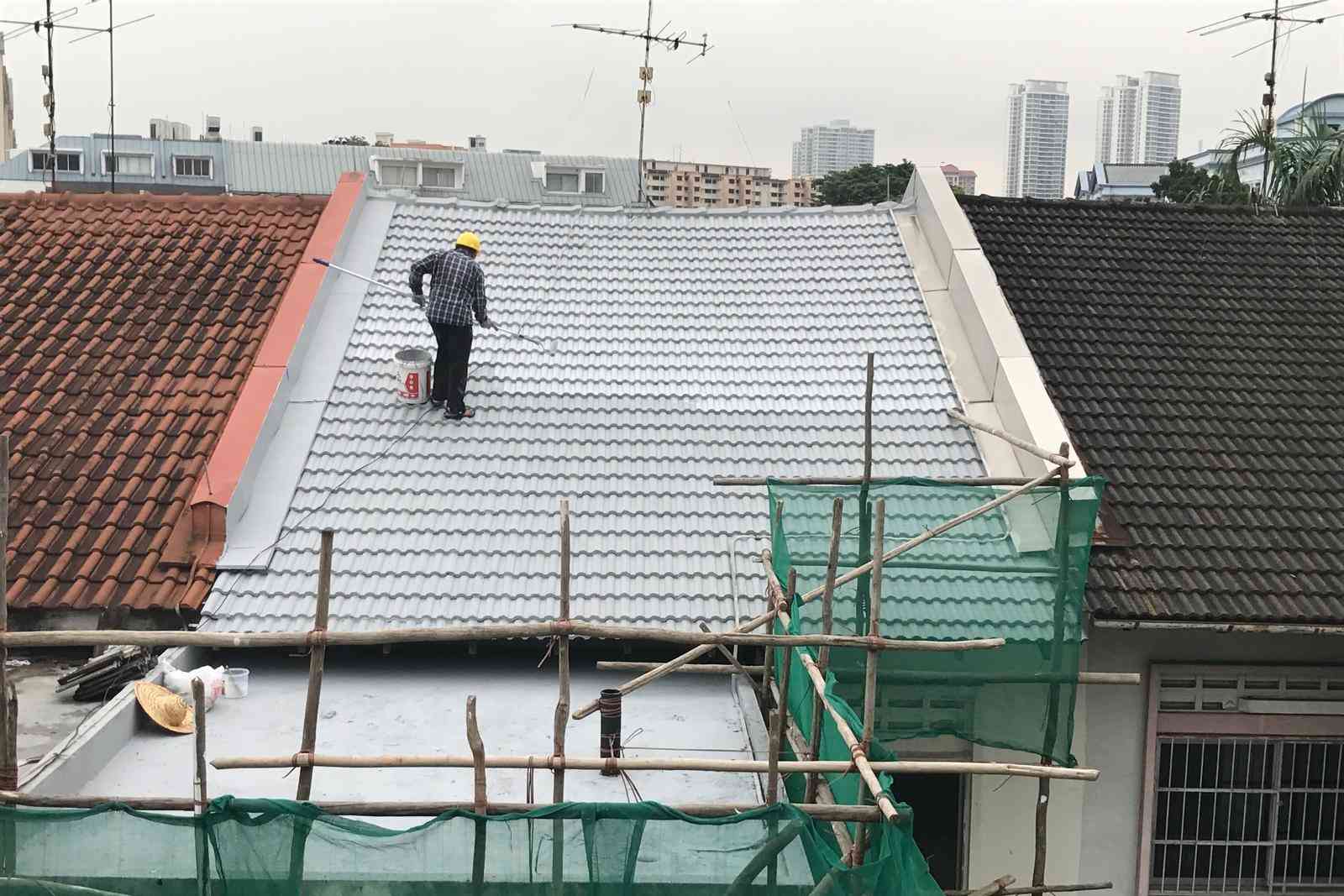
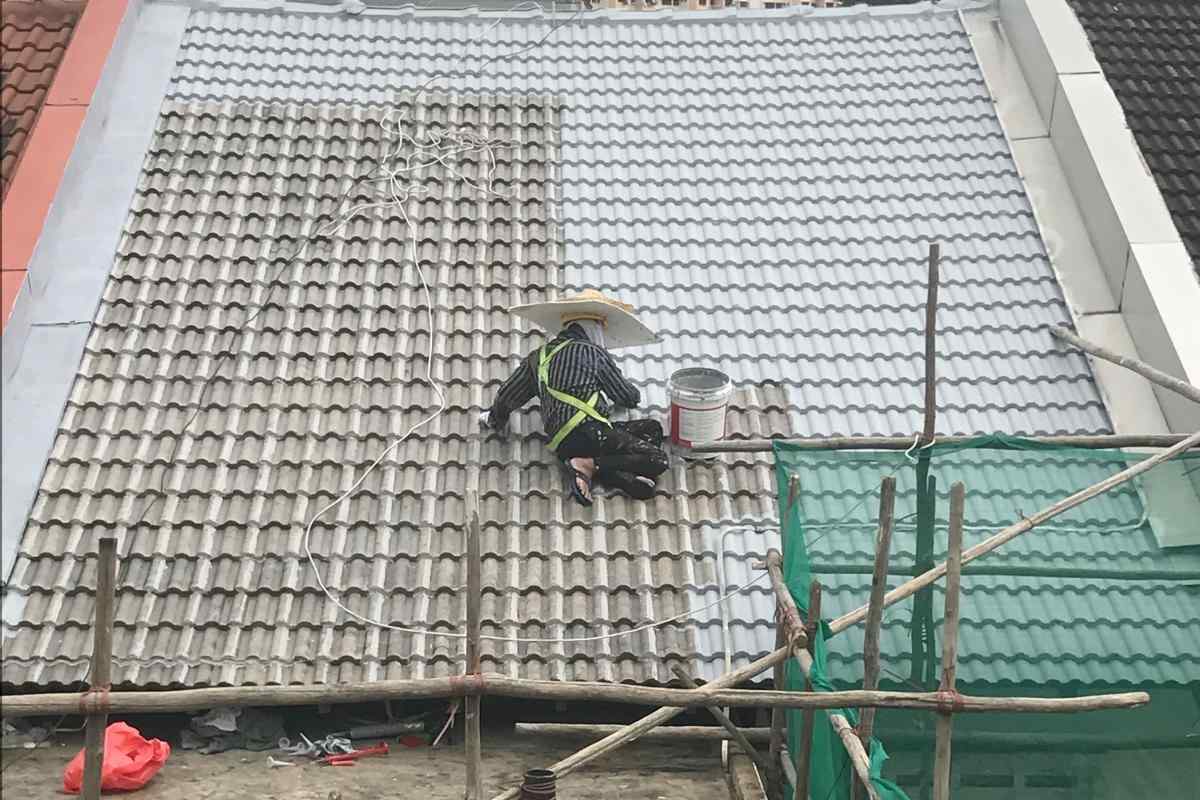

Many homeowners assume roof leakage is caused by broken tiles alone. In reality, clay tile roofs are complex systems made up of tiles, waterproofing layers, mortar joints, drainage paths and structural components.
In many cases, leaks continue even after replacing visible cracked tiles because the underlying waterproofing system has already deteriorated. Singapore’s weather conditions such as heavy rainfall, heat expansion, UV exposure, and humidity all plays a part, gradually weaken roofing systems over time if not properly maintained.
Signs Your Roof May Need Waterproofing or Repair
Brown marks, bubbling paint or damp patches are indicators that water entered through the roof system.
Leaks that only appear during heavy downpour usually suggest failed waterproofing layers.
Broken or displaced tiles expose areas underneath the roof which may degrade the membrane.
Moisture trapped within roof structures can lead to mold growth and indoor air quality issues.
Surface patch repairs may temporarily stop leaks without resolving underlying system failure.
Aging mortar joints may crack, often due to weather, allowing water penetration beneath ridge areas.

The waterproof membrane or underlayment beneath the tiles naturally degrades due to heat and moisture exposure.
Roof systems constantly expand and contract under Singapore’s weather conditions, leading to movement and cracking over time.
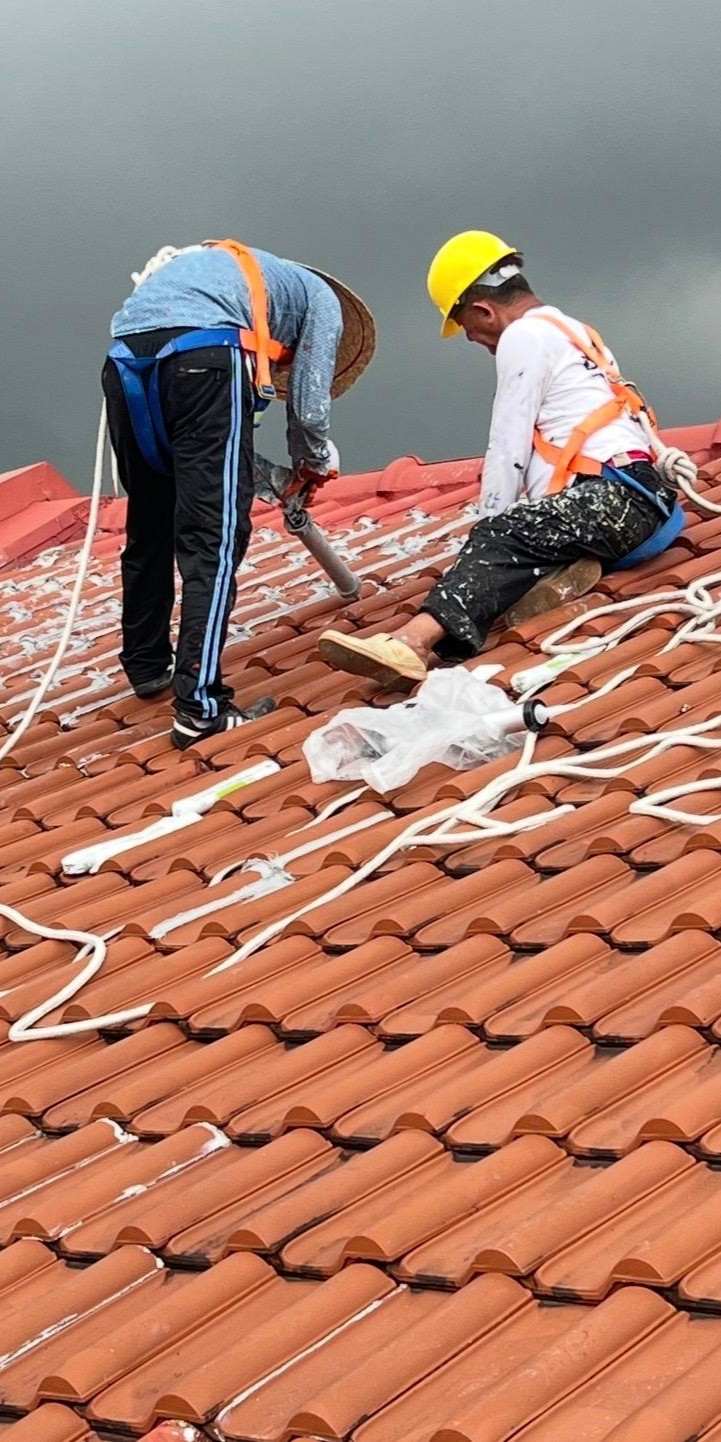

Improper surface preparation, incorrect material usage, or superficial patching often causes recurring leakage problems.
Roof flashing around roof joints and intersections are common leakage points when aging or improperly installed.
At GJC Waterproofing,we establish credibility through clear and consistent communication, ensuring our process remains fully transparent.
Inspection of roof tiles condition, flashing systems and mortar joints, drainage paths, waterproofing systems and water damage indicators
Determining the issue we are dealing with, be it surface level, underlayment failure, flashing deterioration, drainage-related or a combination of defects
Since every one of your home is unique, depending on the condition and after the on-site diagnosis, material systems, repair scopes and quotation will be presented
Minor roof repairs are suitable if leaks are isolated and damages are surface level. Examples being small cracked tile areas or minor flashing defects.
Common works may include, but not limited to:
1. Installation of scaffolding (if necessary)
2. Replacement of broken roof tiles
3. Ridge cap repair or replacement
4. Flashing replacement or touch-up
5. Drainage correction
6. Application of localised waterproofing coating and sealant
Ideal for early-stage damage before widespread deterioration occurs.
Minor Repair Works starts from $1800 onwards
Final quotations are determined following a comprehensive site inspection and evaluation due to the various factors influencing costs.
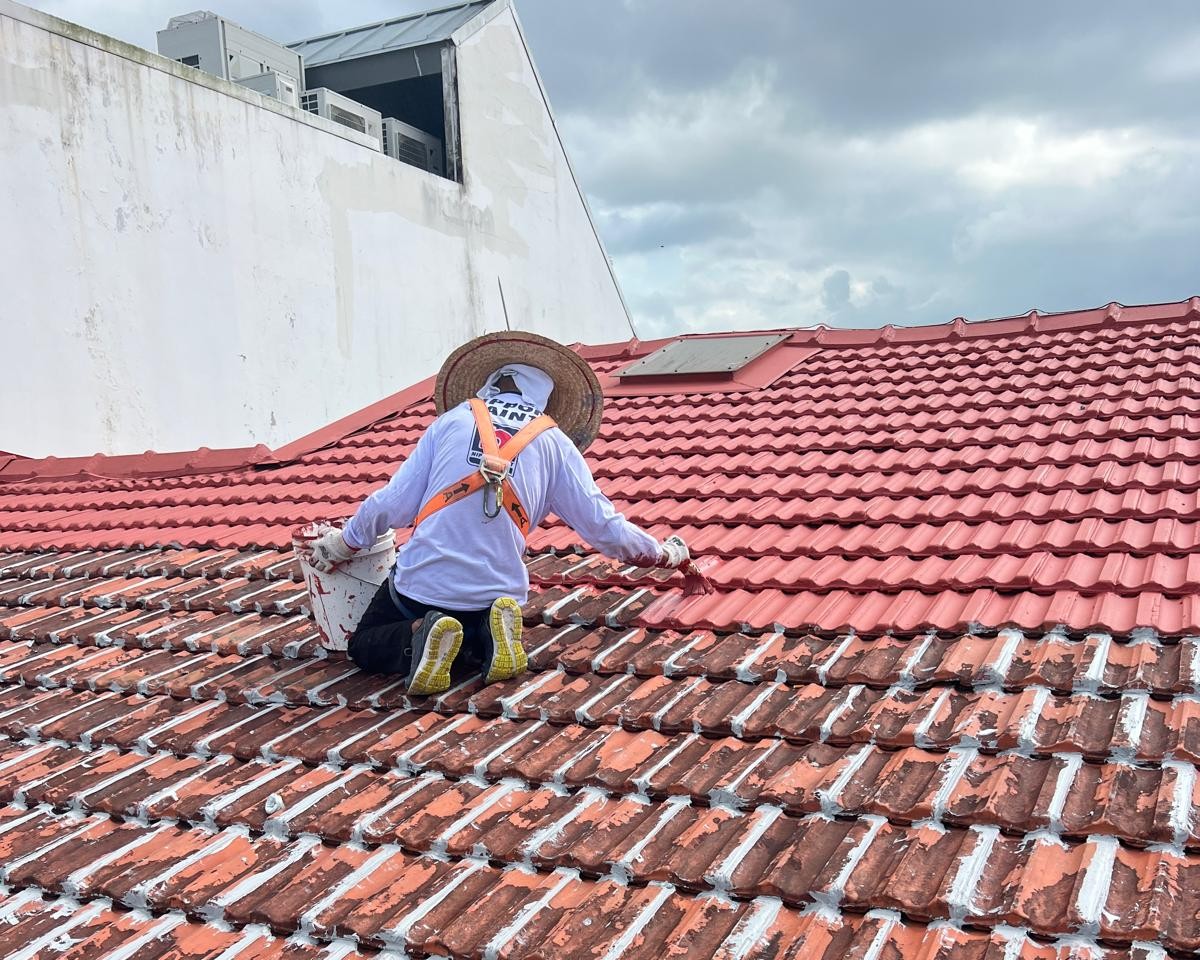
Full roof waterproofing should be done if there are multiple surface leakage points caused by aging sections or moderate waterproofing deterioration.
Common works may include, but not limited to:
1. Installation of scaffolding (if necessary)
2. Replacement of broken roof tiles (if necessary)
3. Surface preparation
4. Application of bonding sealant
5. Application of waterproofing coating
6. Drainage correction
Optional add-ons:
1. Replacement of flashing
Ideal for extending roof lifespan without replacing your roof.
Roof Restoration starts from $15,800 onwards
Final quotations are determined following a comprehensive site inspection and evaluation due to the various factors influencing costs.
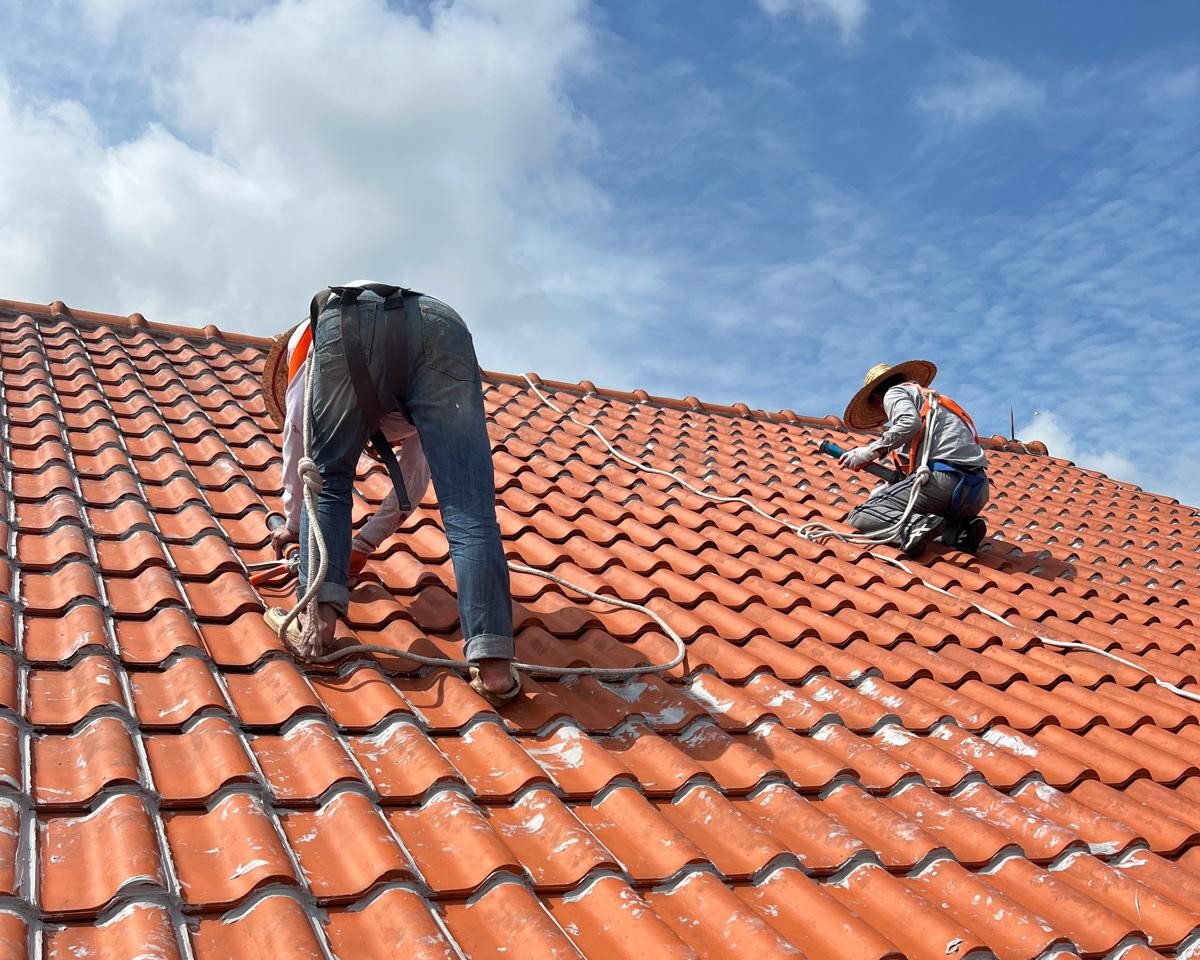
Residential, Commercial & Industrial Roof Waterproofing Across Singapore
Comprehensive waterproofing solutions tailored for multi-generational private residences. We ensure your shared roof seams and party-wall joints are completely sealed against leaks from adjacent units.
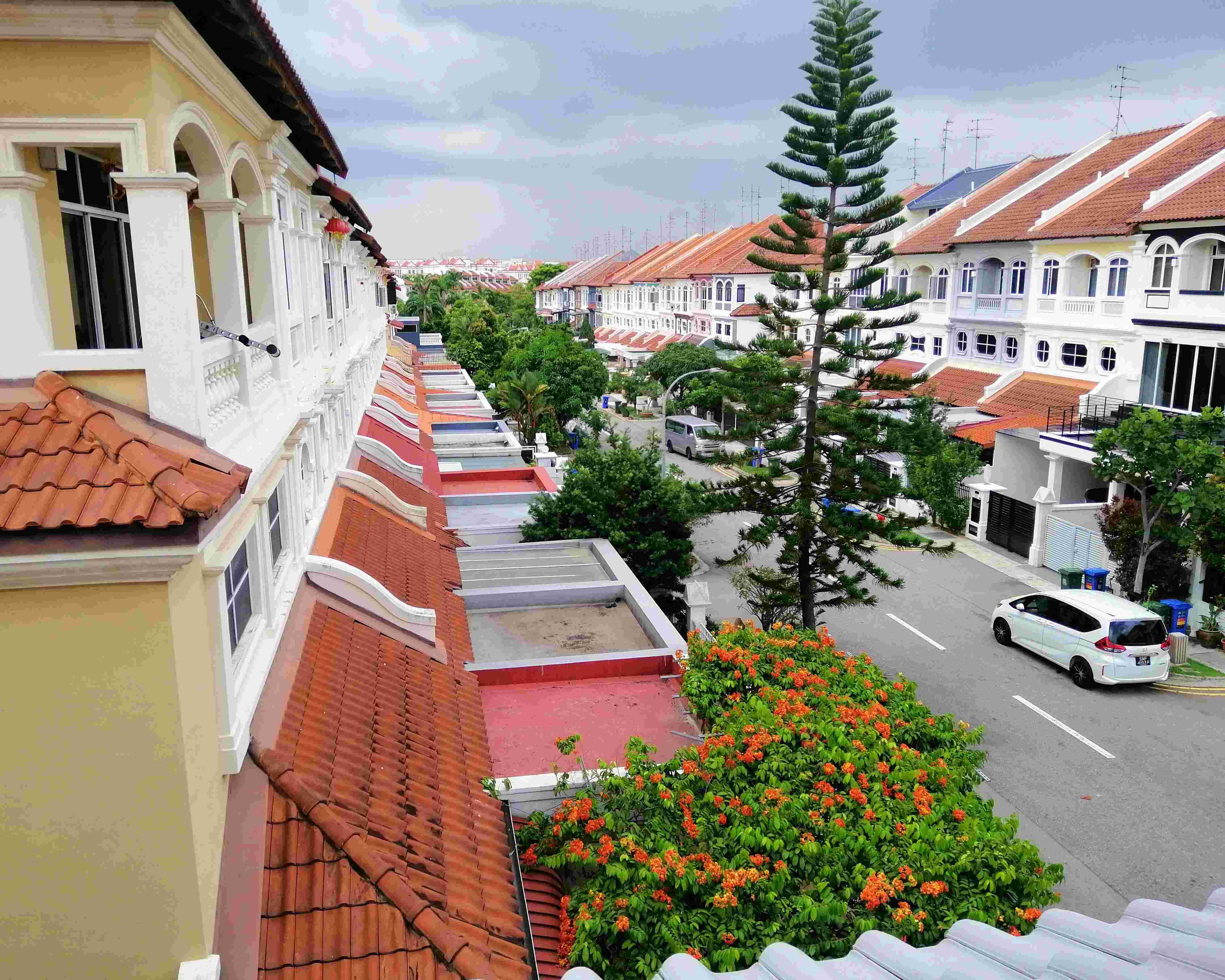
Premium, full-envelope waterproofing for standalone luxury estates and Good Class Bungalows (GCBs). Our deep-penetrating solutions protect expansive, multi-tiered roof configurations and complex architectural profiles.

Heavy-duty, commercial-grade weatherproofing built to handle large structural footprints. We protect high-traffic retail spaces, corporate offices and malls with minimal disruption to daily business operations.

Rugged, high-durability waterproofing engineered for demanding B1 and B2 industrial environments. We safeguard extensive warehouse roofs, factories and logistics hubs containing sensitive machinery and stock.

When you are deciding between a patch repair and a full restoration, the "better" option almost always comes down to two things:
1. the current age of the asset
2. the scale of the damage.
If you're dealing with a localised issue on an otherwise new and healthy structure, a patch repair can be cost-effective. However, as a homeowner, if you are constantly patching new leaks or defects every few months, you are likely treating the symptoms of a systemic failure rather than the cause. At that point, a full restoration becomes the more economical choice in the long run.
A common mistake we have noticed is delaying repairs, anticipating a bigger leak down the road to get more value. You may be reducing your chances of having salvagable areas or maybe your leak is not as serious as you thought it out to be.
Fixing an isolated, visible defect (e.g a cracked tile or localised waterproofing failure) can and will solve the immediate problem. Patching is like putting a band-aid over a major cut and water will simply find the next weakest seam or crack. This is a short to medium-term solution at best, depending on surrounding materials and systems involved. Since minimal material and labor required is required and is usually completed within a few hours to a few days, the upfront cost is definitely on the lower end. However, it might end up costing repeated call-out fees.
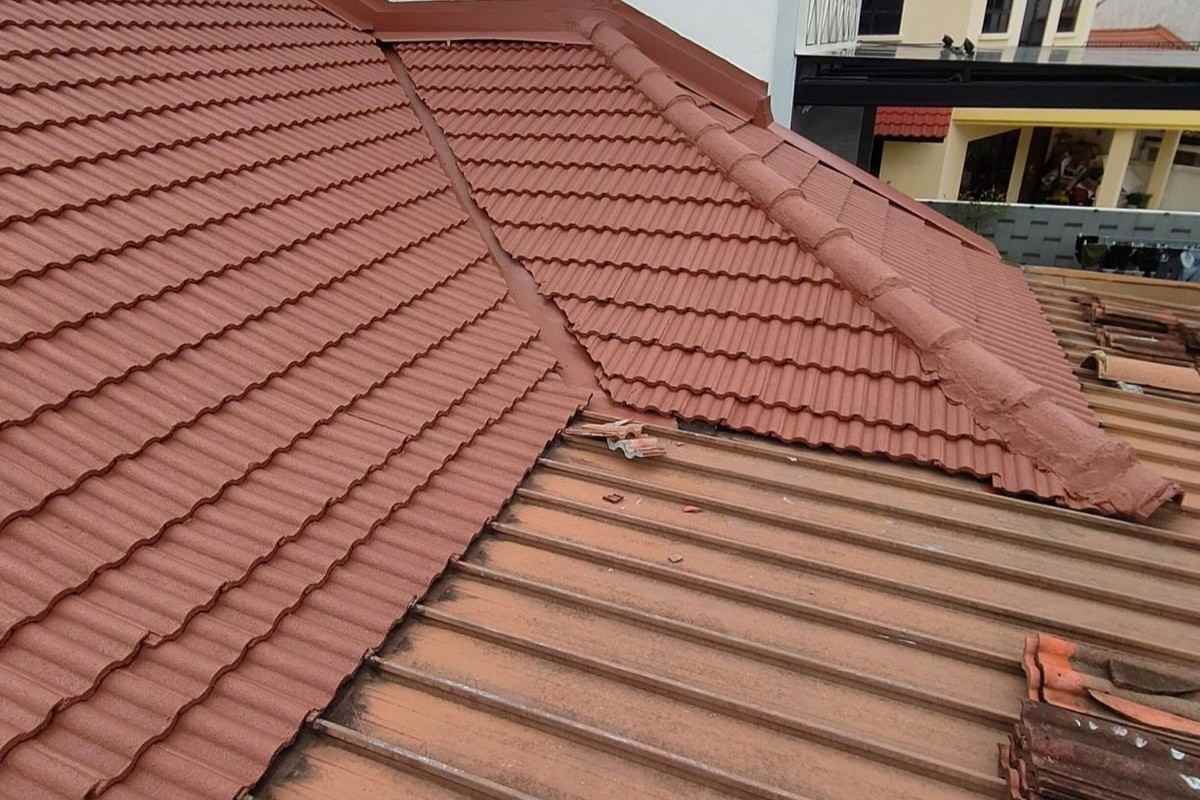
Full roof waterproofing is ideal for properties that shows signs of wear, particularly in waterproofing. By addressing existing problems and applying a new waterproofing layer, the lifespan of the asset can be extended by approximately 10 to 15 years. This process requires more time and labor for preparation and application, leading to a higher initial investment compared to patching. Nevertheless, it offers the highest return on investment for property maintenance.
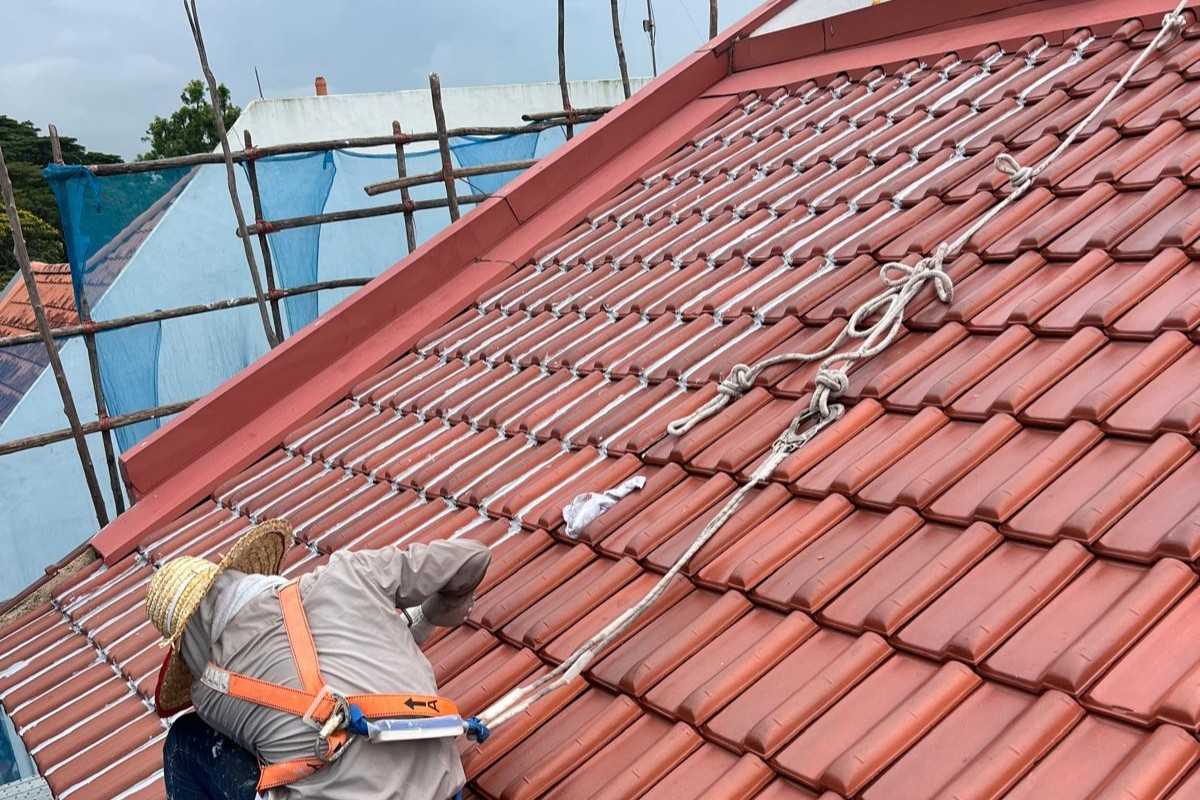
Total replacement is necessary when there have been serious water damage and leaks, causing structural decay. If you are experiencing recurring failures and have patched the same asset multiple times over the past 12 to 18 months, the underlying membrane is likely failing. Once water gets trapped underneath, restoration is most likely no longer an option and you might be forced into a full, high-cost tear-off and replacement. Even if the roof is not imminently failing, if it exceeds 20 years of age, it is likely approaching the end of its functional lifespan. At this juncture, replacing the roof may prove more economically viable than continuing with frequent repairs.
In Singapore’s intense tropical climate, a small water spot on your ceiling is a ticking clock.
Roof leaks in Singapore's climate worsen quickly due to heavy rain and UV exposure. Ignoring them leads to costly repairs. Here is what happens beneath the surface when early warning signs are neglected in Singapore landed homes and heritage shophouses:
1. Structural Timber Rot & Structural Weakening: Whether it is a heritage conserved shophouse or a classic landed estate, clay tile roofs are traditionally supported by structural timber rafters, purlins, and battens. Chronic water leaks cause wood rot (wet rot) that quietly strips the load-bearing capacity of these framing timbers, leading to sagging rooflines.
2. Severe Termite Risks: Damp, rotting structural timber inside a dark, unventilated roof void creates the absolute ideal breeding ground for destructive subterranean termites. Once an infestation takes hold, the cost of timber structural remediation multiplies exponentially.
3. Corrosion of Roof Battens & Fasteners: In roofs retrofitted with metal framing, persistent moisture breaks down the protective coatings on steel battens, tie-wires, and clips. As these components rust and fail, clay tiles become loose, misaligned, or structurally unstable during high winds.
4. Electrical Hazards & Short Circuits: Water bypassing the tile underlayment tracks downward along rafters and beams, directly pooling into false ceilings. This brings moisture into contact with attic light fixtures, junction boxes, and air-conditioning conduits, triggering constant safety-trips or dangerous electrical fire risks.
5. Destruction of Premium Interior Finishes: Before water drops even hit your flooring, it ruins expensive built-in attic carpentry, destroys plasterboard ceilings, and causes internal wall skim coats, premium paints, or historical lime washes to bubble, flake, and mold.
The Cost Fact: Early intervention is the single best way to keep your repair expenses low. Addressing a clay tile leak when it is an isolated drip saves tens of thousands in structural timber replacement and full underlayment overhauls down the road.
When dealing with a leaking clay tile roof, treating the visible symptom instead of the underlying waterproofing system will only prolong the damage. Avoid these four common pitfalls:
1. Repainting Over Ceiling Water Stains. Slapping a fresh coat of sealer or paint over a yellowish water ring on an upper-floor ceiling or wall to tidy up the room does absolutely nothing to stop active water ingress from the roof. The moisture will continue to pool behind the plasterboard and rot the supporting timber framing above it, causing your fresh coat of paint to bubble, peel, and mold within weeks.
2. DIY Silicone Patches. Climbing up (or hiring a general handyman) to apply clear hardware-store silicone or gap-filler directly into visible cracks or gaps between overlapping clay tiles will not work as standard retail sealants cannot handle Singapore’s intense daily thermal expansion and contraction. Under the blistering afternoon sun, the clay tiles expand, causing the rigid silicone to split, peel away and trap water inside the tile overlap which often making the leak worse during the next downpour.
3. Delaying Repairs Until the "Monsoon Season". Just because the roof only drips during exceptionally heavy, wind-driven inter-monsoon storms and it is not dripping into your living space does not mean the roof is dry. Trapped moisture remains soaked into the clay tiles and the structural wood underneath. This constant dampness silently expands the rot and damage zone every single day, turning a minor repair into a full-scale roof restoration.
4. Shifting or Replacing Surface Tiles Only. Assuming that simply replacing a single cracked or broken clay tile will completely solve a leak. Visible clay tiles are only the roof's first line of defense; they shed the bulk of the water. The true, watertight defense happens at the secondary underlayment membrane layer beneath them. Water often enters through degraded tile joints further up the ridge line, tracks along the internal battens, and leaks through a torn underlayment elsewhere. A permanent fix requires inspecting the underlying waterproof layer, not just shifting tiles around.
If you have any unanswered question, feel free to email us at contact@gjcwaterproofing.com.sg or Whatsapp us. We will get back to as soon as possible.
Periodic inspections every few years are recommended, especially for older roofs or after severe storms.
In some cases, yes. However, widespread underlayment failure may require tile removal for proper restoration. At GJC Waterproofing, we do not engage in "predatory upselling" and "rouge mechanic"
No. Paint may temporarily improve appearance but does not resolve active waterproofing failure.
Periodic inspections every few years are recommended, especially for older roofs or after severe storms.
Not always. Leakage may also come from flashing failure, membrane deterioration, or drainage defects.
Roof leaks are tricky because water rarely travels in a straight line; a leak showing up in a living room ceiling might originate a few meters from the roof. We don't guess. We perform a thorough physical inspection checking for cracked membranes, damaged flashing, or blocked drainage. If the source isn't obvious, we use diagnostic methods like thermal imaging (infrared cameras that detect trapped moisture under the surface) or conduct a water ponding test to isolate and confirm the exact entry point before we touch anything.
It depends entirely on the age and overall condition of your current waterproofing layer. If the roof is relatively new and suffered localised damage, we will suggest a targeted patch which is both completely fine and cost-effective. However, if the existing membrane is the causation, patching the affected areas is a temporary bandage. The water will simply find the next weakest point in time to come. We will give you an honest assessment after our inspection.
Not necessarily. Whenever possible, we look for non-destructive methods. Modern liquid membranes can often be applied directly over existing substrates or tiles, provided the structural base is still solid and dry. We only recommend hacking if the sub-base is entirely waterlogged or rotting, because trapping moisture underneath a new waterproofing layer will cause it to blister and fail very quickly.
A standard residential or small commercial roof takes a couple of day to weeks depending heavily on the weather and systems used. Waterproofing requires dry surfaces to cure properly. Good news is that since all the work happens outside and on top of the building, your daily indoor routine will not be disrupted. The only thing you will notice is some minor foot traffic noise on the roof and the faint smell of coatings or primers during application. In the event of a total replacement of the membrane and tiles, some clients may prefer to stay clear of the property for a short period of time. Great time to go for a vacation!
We monitor local weather before commencing works. If rain is expected, we do not apply liquid coatings or open up vulnerable sections of the roof. If an unexpected shower hits, we always have heavy-duty, commercial-grade tarps ready to instantly tent and secure the workspace. Your interior will remain protected throughout the process.
We provide a warranty of up to 3 years, depending on systems and work done, on both our workmanship and materials. This means if the roof leaks again in the treated areas due to a failure in our application or material defect, we will come back and repair it at zero cost to you. Please note that warranties generally cover the specific areas we waterproofed, not new damage caused by major structural settling or external third-party modifications later on. Full coverage will be explained before total handover.
With proper application and professional materials, a quality roof waterproofing system should easily last 10 to 15 years. To maximize that lifespan, we highly recommend a quick annual inspection to clear debris from gutters and drains, ensuring water does not pool continuously on the membrane.
Yes, you can change your roof materials, but switching to a lightweight material is significantly easier and cheaper than converting to a flat concrete roof. Certain criterias from BCA and URA must be met and then checking to see if the switch is structurally possible, as well as the costs involved, and other possible consideration
1. Every property condition is different, which is why proper on-site inspection is required before recommending the appropriate solution.
2. Final advice and quotation will only be provided after assessment of the affected area and underlying issue.


GJC Waterproofing
Pte Ltd
Team with 27 years of trusted waterproofing solutions in Singapore. System-based approach for lasting results.
Services
© 2026 GJC Waterproofing Pte Ltd. All rights reserved.
Registered | UEN: 202618678D


