
Protect your property from water seepage, wall cracks, peeling paint, and premature exterior deterioration with proper exterior wall waterproofing and protective coating systems.
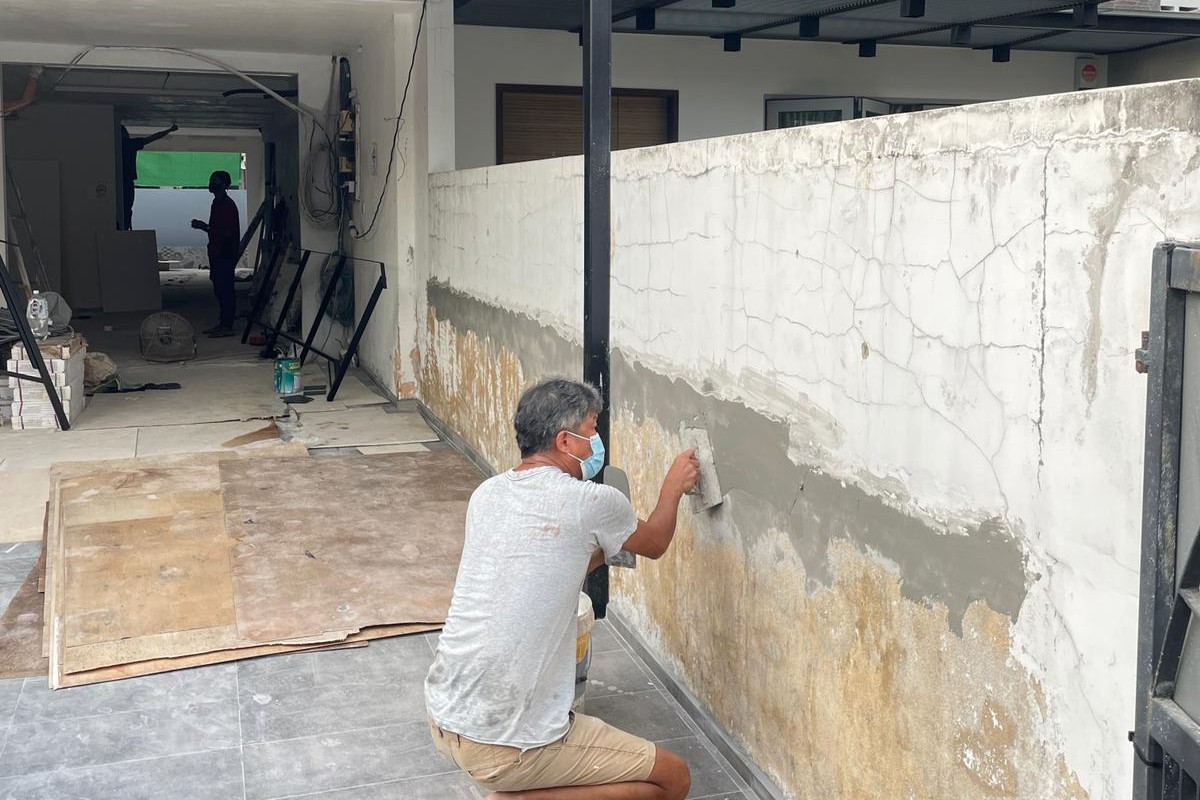
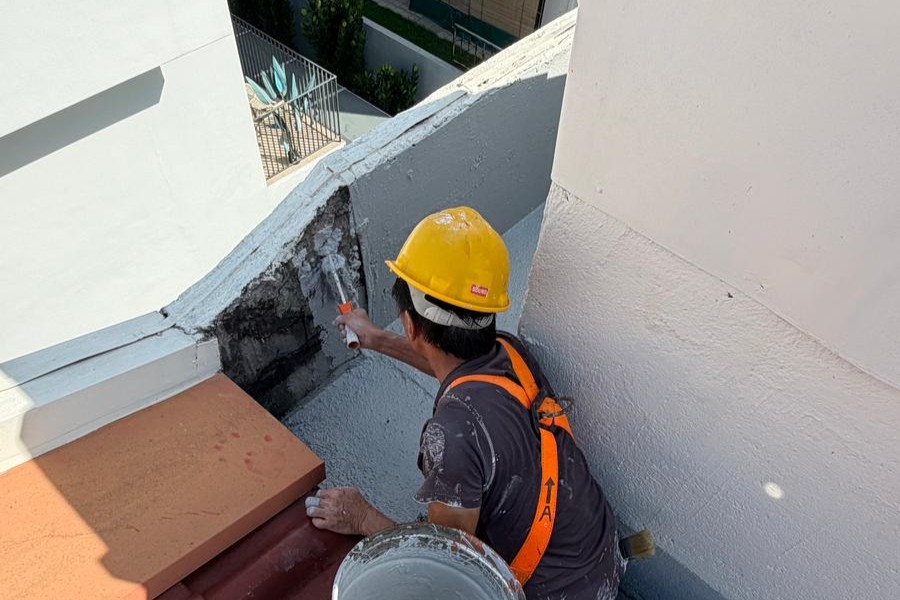

Exterior walls are constantly exposed to rain, UV radiation, humidity, and temperature changes. Over time, wall surfaces naturally deteriorate and may begin absorbing moisture if protective systems weaken or fail.
Many people assume exterior wall problems are purely cosmetic, but issues like peeling paint, black stains, and bubbling surfaces are often signs of underlying moisture intrusion or waterproofing failure. Without proper waterproofing protection, water may gradually penetrate the wall surface and lead to:
1. Paint deterioration
2. Mold growth
3. Internal seepage
4. Concrete damage
5. Wall defects
Proper exterior wall waterproofing involves more than repainting the surface. It requires identifying the root cause of deterioration before applying suitable repair and protective systems.
Signs Your Walls May Need Waterproofing or Repair
Exterior walls exposed to constant moisture may develop algae, fungus or dark staining.
Water entering through external walls may cause damp interior surfaces and paint damage.
Moisture trapped beneath paint surfaces may cause bubbling or blistering.
UV exposure and weather conditions gradually weaken exterior coatings, reducing its effectiveness.
Persistent moisture and wall deterioration create conditions for plant growth within cracks or joints.
Hairline or visible cracks may allow rainwater penetration into wall systems.

Exterior paint and waterproofing systems naturally deteriorate over time due to weather exposure.
Singapore’s heat, humidity, and rain continuously stress exterior wall systems.
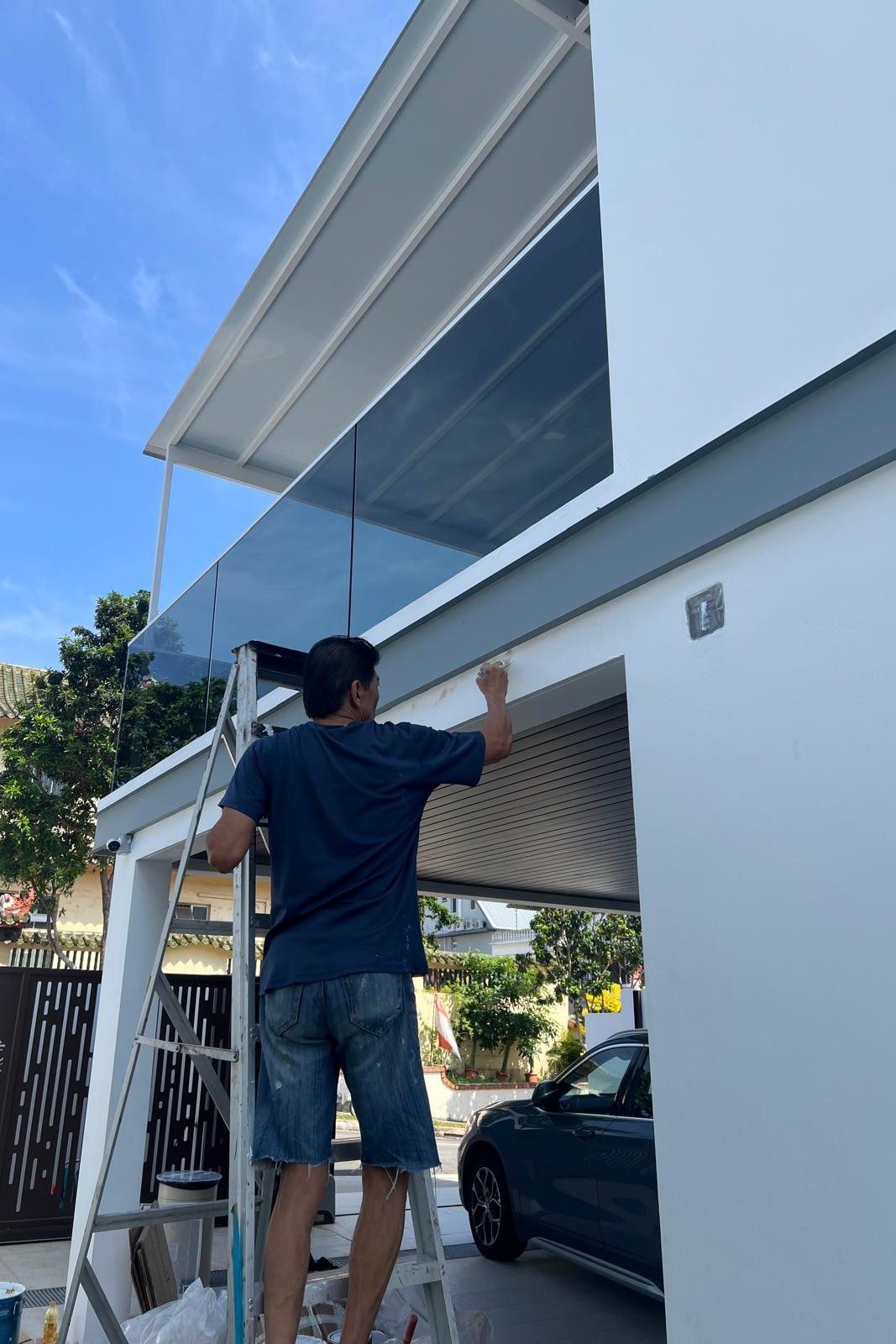

Improper cleaning, crack treatment, or repainting over damaged surfaces often causes early paint failure.
Concrete and wall substrates may absorb moisture when protective layers fail.
At GJC Waterproofing, we establish credibility through clear and consistent communication, ensuring our process remains fully transparent.
Inspection of cracks, existing paint condition, water seepage signs, surface contamination and moisture damage
Determining the issue we are dealing with is due to paint deterioration, structural cracking or moisture-related or a combination of defects
Since every one of your home is unique, depending on the condition and after the on-site diagnosis, material systems, repair scopes and quotation will be presented
Minor wall repairs are suitable for small isolated defects or early-stage paint deterioration.
Common works may include, but not limited to:
1. Installation of scaffolding (if necessary for accessibility)
2. Surface preparation
3. Patching of crack
4. Localised repainting
5. Protective touch-up coating
Ideal for early-stage damage before widespread deterioration occurs.
Minor Repair Works starts from $1,000 onwards
Final quotations are determined following a comprehensive site inspection and evaluation due to the various factors influencing costs.
Required when there are signs of water seepage and moisture absorption, aging wall systems or recurring paint failure.
Common works may include, but not limited to:
1. Installation of scaffolding (if necessary for accessibility)
2. Surface preparation
3. Crack treatment
4. Primer application
5. Application of waterproofing coating and sealing systems
6. Painting
Ideal for dealing localised issues without full restoration.
Exterior wall waterproofing and painting starts from $11,000+
Final quotations are determined following a comprehensive site inspection and evaluation due to the various factors influencing costs.
Residential, Commercial & Industrial Roof Waterproofing Across Singapore
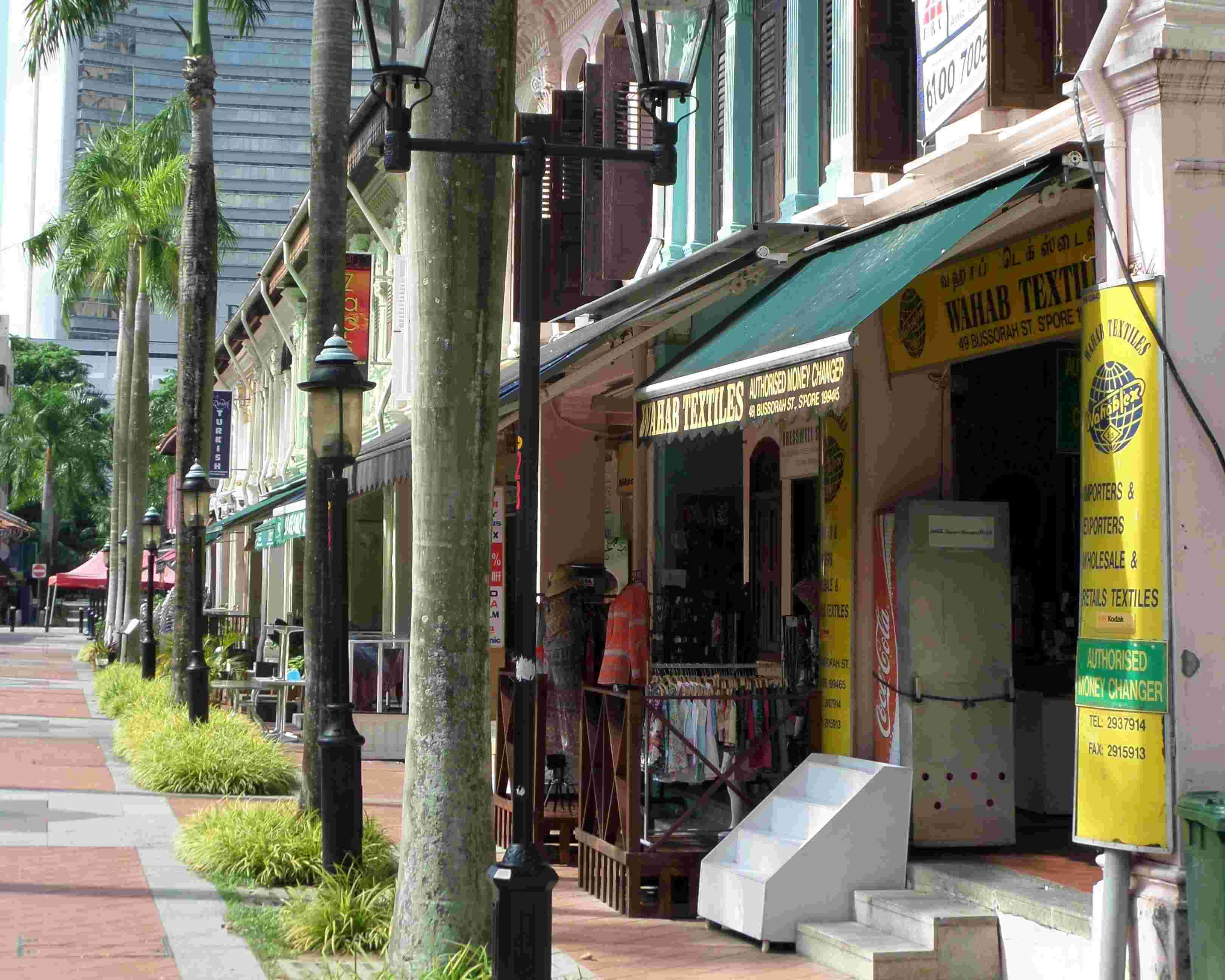
Wall waterproofing and repainting services for terrace and semi-detached houses, addressing common issues such as wall cracks, water seepage, peeling paint, discoloration, and biological growth caused by long-term weather exposure.
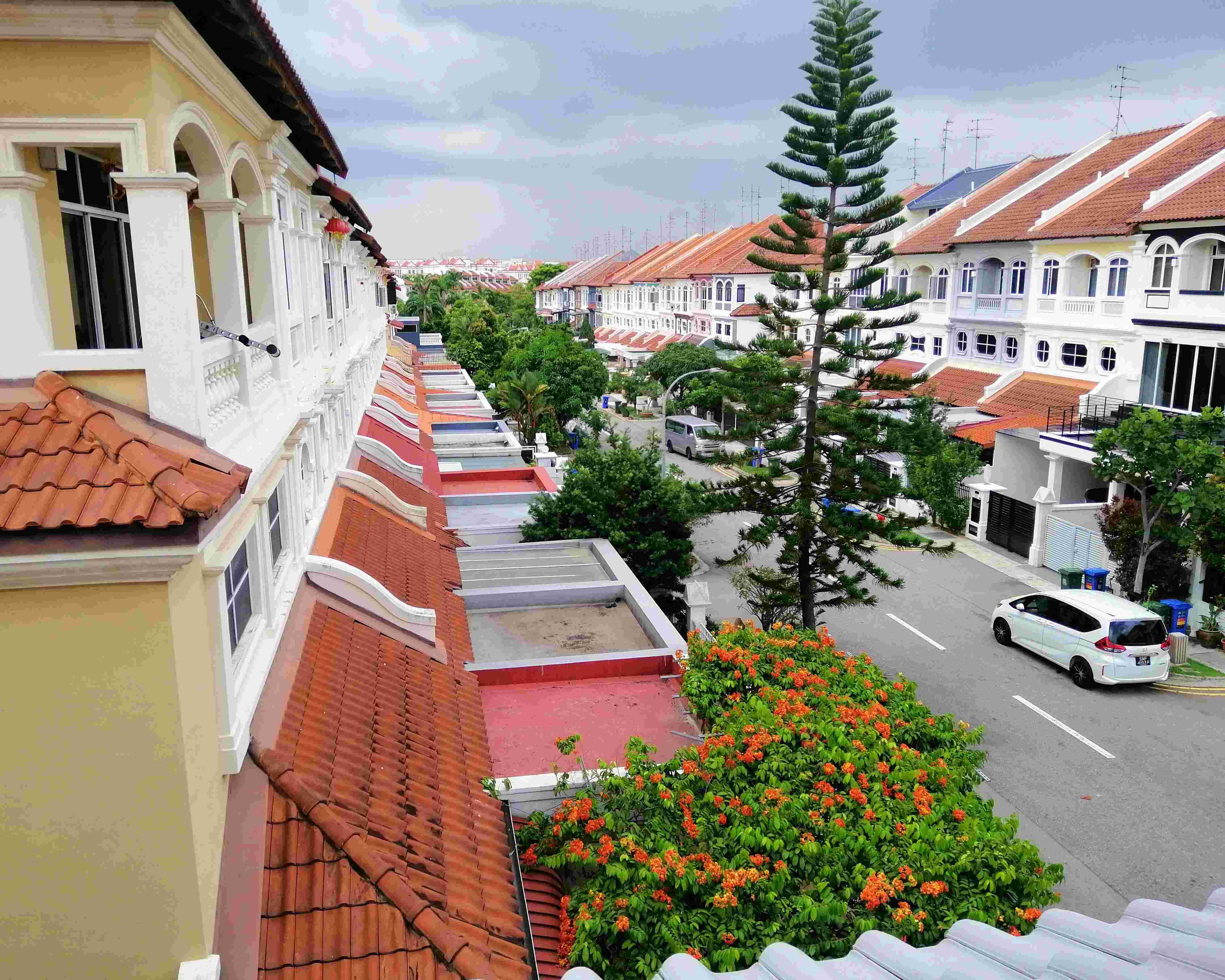
Larger exterior wall surfaces means greater exposure to rain, sunlight, and moisture over time. We carry out exterior wall waterproofing and repainting works for bungalows with solutions tailored to the property’s condition.
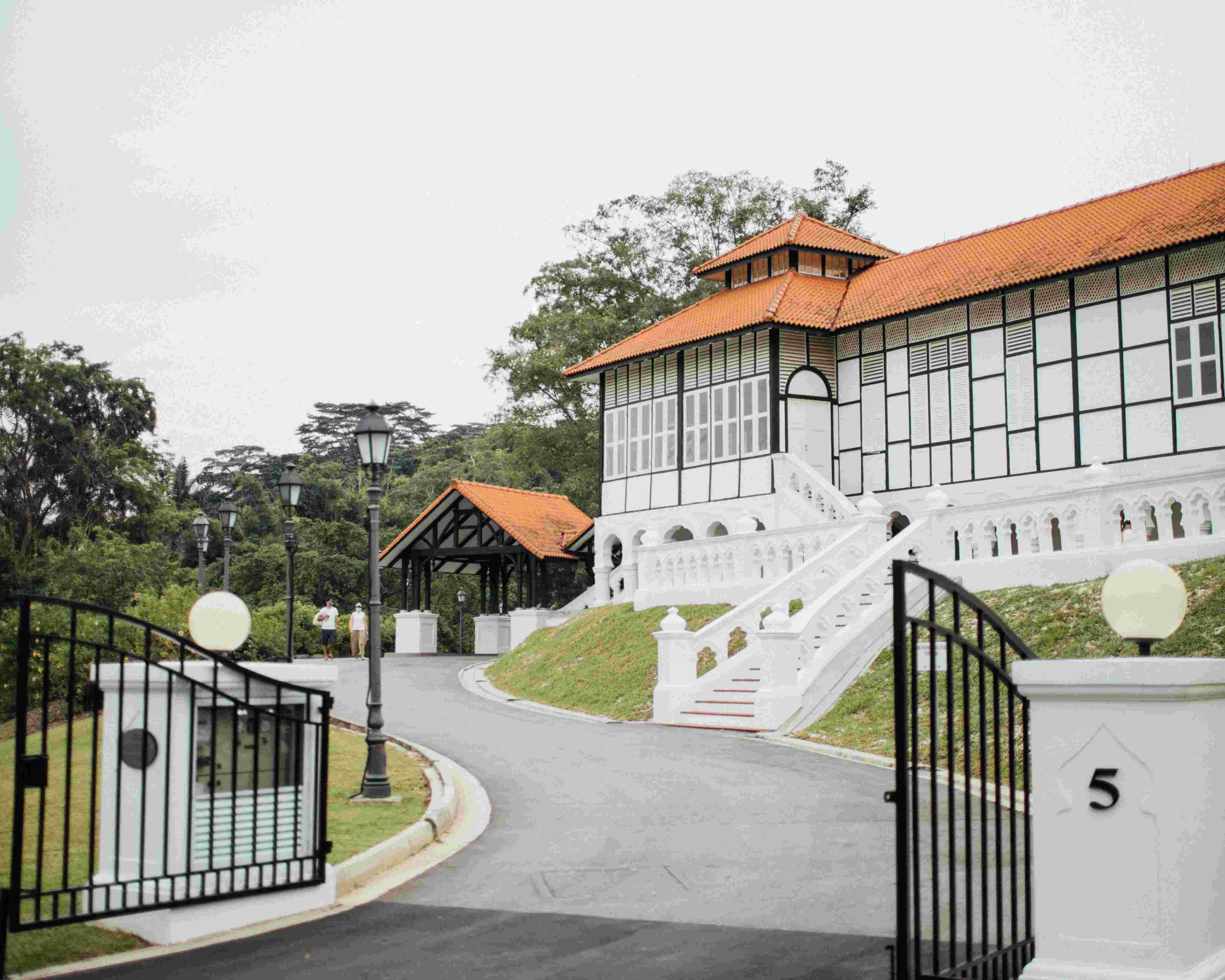
Address issues such as cracked facades, paint deterioration, staining and aging exterior finishes. Our works are planned with consideration for accessibility, safety requirements while minimizing disruption where possible.
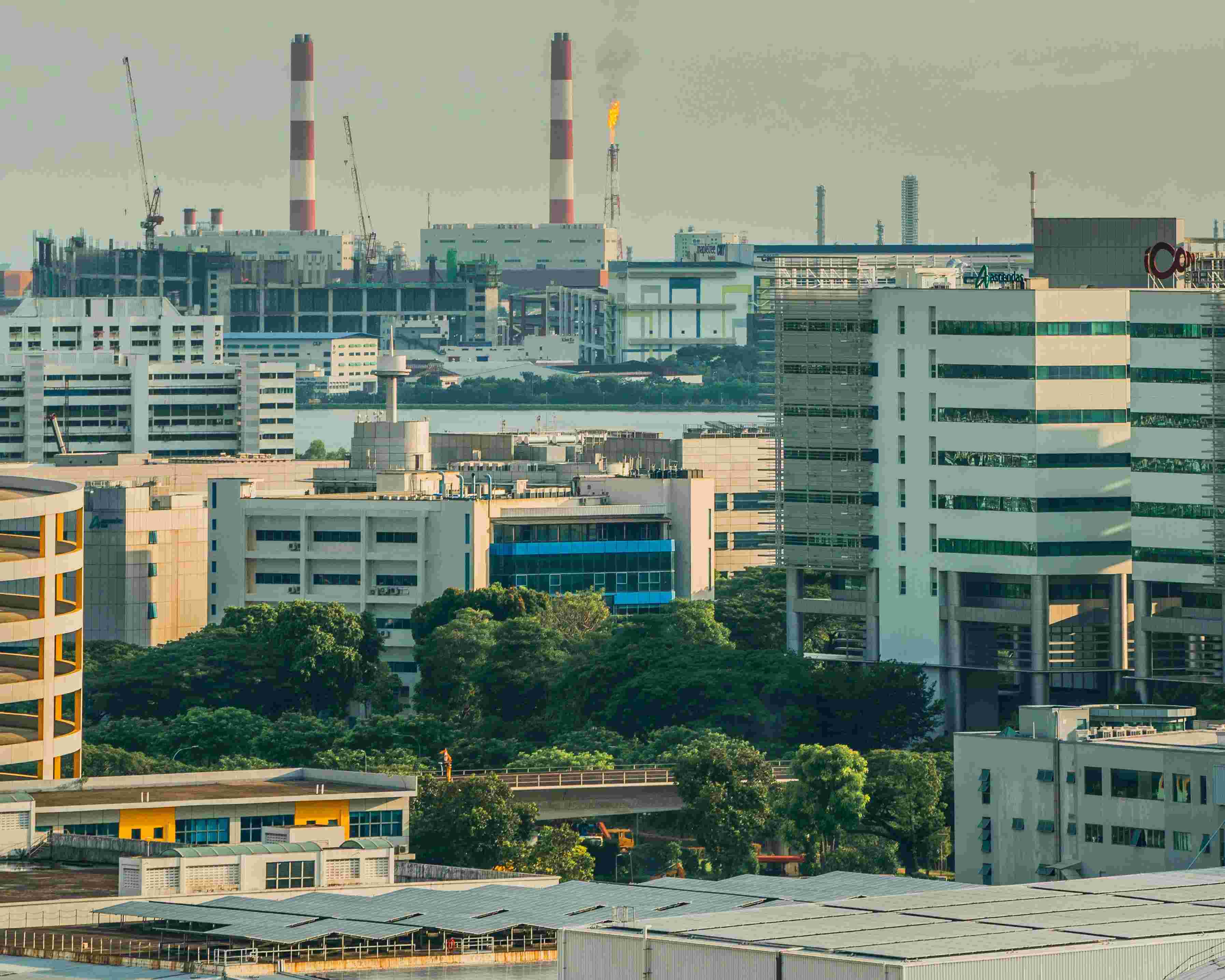
We provide exterior wall waterproofing and painting services for factories, warehouses and industrial properties using durable coating systems and methods designed for long-term performance and protection.
When you are deciding between temporary repairs and a full restoration, the "better" option almost always comes down to two things:
1. Presence of hairline cracks and structural
2. Current history of internal dampness and water ingress
Many property owners confuse exterior wall painting with waterproofing, mistakenly believing a fresh coat of standard paint will seal their building against leaks. While premium exterior architectural paint is excellent for aesthetics and offers minor weather shielding, it is a thin, rigid coating designed primarily to resist fading and dirt. It lacks the elastic elongation properties required to bridge the micro-cracks that naturally open up as a building expands and contracts in Singapore’s intense daily heat. True exterior wall waterproofing, on the other hand, utilizes thick, elastomeric high-build coatings or specialized polyurethane sealants. These professional systems cure into a heavy-duty, rubberized, and highly flexible membrane that can stretch up to several times its original length without cracking, effectively sealing structural cracks and locking out driving monsoon rains. Treating an active external wall leak with standard painting is a short-lived cosmetic fix that will quickly blister and peel; investing in dedicated elastomeric waterproofing is the only way to establish a long-term, watertight barrier that protects your property's internal structural integrity.
A common mistake we have noticed is delaying repairs, anticipating a bigger leak down the road to get more value. You may be reducing your chances of having salvagable areas or maybe your leak is not as serious as you thought it out to be.
If your property's exterior walls are generally in excellent shape but have developed a few isolated hairline fractures due to standard building settlement, localized repair is the fastest, most practical route. This process involves manually raking out the specific cracks to clear away loose plaster, injecting a high-elasticity polyurethane (PU) structural sealant, and smoothing it flat with the surrounding masonry before applying a color-matched paint touch-up. It serves as a highly targeted, budget-friendly stopgap that prevents driving rain from entering single fracture lines, making it perfect for structurally sound walls with minor, superficial blemishes.
When water ingress or blistering paint is localized to one specific area of your home such as a single exposed wall that bears the brunt of monsoon winds, partial waterproofing offers the highest value. Instead of paying to overhaul the entire property, technicians focus exclusively on the vulnerable facade, repairing any active plaster cracks and applying a seamless, multi-layer elastomeric waterproofing coating across that entire section. This allows you to permanently fortify your home’s highest-risk zones and stop internal dampness without incurring the massive upfront cost of a full-scale scaffold setup across the whole building.
In Singapore’s intense tropical climate, your property’s exterior walls are under constant structural stress. Alternating between blistering afternoon heat and driving monsoon rains, masonry facades act as the primary shield for your home. However, minor external hairline cracks or damp spots are often dismissed as purely cosmetic issues that can wait. Ignoring an exterior wall leak today is a high-stakes financial gamble. Because masonry and plaster are highly porous materials, it allows water to migrate deep into your building's skeleton. While you wait to find a contractor or wait out the wet season, a hidden progressive decay sets in beneath the surface of Singapore landed homes and shophouses:
1. Internal Concrete Spalling (Concrete Cancer): When driving rain continuously penetrates external plaster cracks, it eventually reaches the internal reinforced concrete structure. The moisture causes the embedded steel rebar to rust, expand, and split the concrete from the inside out. This leads to heavy chunks of your internal walls or structural columns cracking and breaking away, creating major safety hazards.
2. Efflorescence & Plaster Degradation: As water travels through concrete and brickwork, it dissolves the natural salts present in the building materials. When this moisture reaches your interior walls and evaporates, it leaves behind a white, powdery residue known as efflorescence. This chemical reaction breaks down the structural integrity of your internal plaster, turning solid walls into crumbly, soft chalk.
3. Electrical Short Circuits & False Ceiling Failures: Water tracking laterally through external walls quickly finds its way into electrical conduits, switch sockets, and false ceiling voids. This persistent moisture leads to sudden, frustrating safety-trip failures, short circuits, and in severe cases, dangerous electrical fire hazards behind your walls.
4. Devastating Damage to Interior Property: Long before water puddles on your flooring, a leaking exterior wall destroys your internal living space. It causes premium interior paints to bubble and peel, warps expensive custom timber joinery, rusts window ironmongery, and ruins nearby furniture.
5. Widespread Mold Outbreaks & Indoor Air Quality Risks: Damp exterior walls trap moisture directly behind your internal wallpaper, built-in wardrobes, and kitchen cabinetry. This creates the perfect dark, humid breeding ground for toxic black mold. This mold not only destroys expensive wood finishes but also releases airborne spores that damage your indoor air quality (IAQ) and trigger chronic respiratory issues for your family.
The Cost Fact: Early intervention is the single best way to protect your property's valuation. Addressing an exterior wall defect when it is a localised hairline crack saves tens of thousands in scaffolding costs, concrete remediation, and internal timber replacement down the road.
When dealing with water ingress, trying to manage the symptoms yourself or delaying professional intervention will only prolong the damage. Avoid these four common pitfalls:
1. Repainting Internal Walls to Hide Water Stains. Slapping a fresh coat of sealer or anti-stain paint over a damp, peeling, or discolored patch on an internal wall to tidy up the room. Paint does absolutely nothing to stop the water entering from the outside. Because the external masonry crack is left wide open, moisture will continue to push through the wall. The hydrostatic pressure will trap water behind the fresh paint layer, causing it to bubble, blister, and peel away again within a matter of weeks while the internal structure keeps rotting.
2. Using DIY Silicone for Surface Cracks. Standard retail sealants lack the elongation properties and UV stability required for exposed concrete structures. Under intense daily thermal expansion, the concrete moves, causing rigid silicone to tear away from the crack edges. This actually traps water inside the crack, speeding up internal rebar corrosion.
3. Buying "Water-Resistant" Pails or Towel Solutions. Managing the ingress by stuffing towels along window ledges or putting pails next to the wall during a storm, assuming the issue is managed as long as water doesn't flood the room. Pails and towels only collect the water that has already completely bypassed your external defense, traveled through your structural brickwork, and ruined your internal finishes. For every drop that hits the pail, gallons of water remain trapped inside the porous wall, quietly weakening the building's structural framework above and around you.
4. Choosing a Standard Exterior Paint Job to Solve an Active Leak. Hiring a general painter to apply a standard coat of architectural paint over the external facade, thinking it doubles as a waterproofing sealer. Premium architectural paint is designed for aesthetics, dirt resistance, and basic weather shielding making it unsuitable for its intended job. It cannot bridge moving micro-cracks. As the building expands and contracts in the sun, standard paint will simply split right along the existing fracture lines, allowing the very next monsoon downpour straight into your home. Active water ingress requires a high-build, flexible elastomeric waterproofing membrane that stretches like rubber.
If you have any unanswered question, feel free to email us at contact@gjcwaterproofing.com.sg or Whatsapp us. We will get back to as soon as possible.
Black or green stains are usually caused by algae, fungus, mold, or dirt buildup due to constant moisture exposure and Singapore’s humid weather conditions.
In some cases, yes. However, failing or incompatible systems may require removal before new application. At GJC Waterproofing, we do not engage in "predatory upselling" and "'rouge mechanic"
Paint bubbling or peeling is often caused by trapped moisture beneath the coating, poor surface preparation, or failed waterproofing systems rather than paint quality alone.
Yes. Even small cracks may allow rainwater to penetrate the wall surface over time, eventually leading to damp interior walls or ceiling damage.
The lifespan depends on the coating system used, wall condition, weather exposure, and maintenance practices. Different systems offer different durability levels.
Not necessarily. Some cracks are minor surface issues, while others may indicate deeper movement or waterproofing failure. Proper inspection helps determine the suitable repair approach.
Not every project requires full-building waterproofing or repainting. In some cases, localised repairs or treatment on selected walls may be sufficient, especially if the problem is isolated or detected early. However, the suitable approach depends on:
1. The extent of deterioration, whether moisture has spread beyond visible areas, the age and condition of existing coatings.
2. If the surrounding walls are showing signs of weakening.
For example, isolated cracks or minor seepage may only require localised treatment,while widespread peeling paint, multiple leakage points, or aging coatings across several elevations may indicate broader waterproofing deterioration. During inspection, we will assess your property and only recommend what kind of restoration would provide better long-term protection while being cost efficienct.
Exterior painting focuses mainly on appearance and surface protection, while waterproofing systems are designed to reduce water penetration and protect the wall structure itself.
A standard residential or small commercial roof takes a couple of day to weeks depending heavily on the weather and systems used. Waterproofing requires dry surfaces to cure properly. Good news is that since all the work happens outside and on top of the building, your daily indoor routine will not be disrupted. The only thing you will notice is some minor foot traffic noise on the roof and the faint smell of coatings or primers during application. Some clients may prefer to stay clear of the property for a short period of time. Great time to go for a vacation!
We monitor local weather before commencing works. If rain is expected, we do not apply liquid coatings or open up vulnerable sections of the roof. If an unexpected shower hits, we always have heavy-duty, commercial-grade tarps ready to instantly tent and secure the workspace. Your interior will remain protected throughout the process.
We provide a warranty of up to 3 years, depending on systems and work done, on both our workmanship and materials. This means if the roof leaks again in the treated areas due to a failure in our application or material defect, we will come back and repair it at zero cost to you. Please note that warranties generally cover the specific areas we waterproofed, not new damage caused by major structural settling or external third-party modifications later on. Full coverage will be explained before total handover.
The lifespan depends on the coating system used, wall condition, weather exposure, and maintenance practices. Different systems offer different durability levels.
Effective waterproofing systems can significantly lower ongoing maintenance expenses by preventing frequent paint damage, minimising moisture-related repairs, and delaying the onset of wall deterioration. By creating a robust barrier against water intrusion, these systems help maintain the structural integrity and appearance of your property, ultimately saving on costly repairs and repainting.
1. Every property condition is different, which is why proper on-site inspection is required before recommending the appropriate solution.
2. Final advice and quotation will only be provided after assessment of the affected area and underlying issue.


GJC Waterproofing
Pte Ltd
Team with 27 years of trusted waterproofing solutions in Singapore. System-based approach for lasting results.
Services
© 2026 GJC Waterproofing Pte Ltd. All rights reserved.
Registered | UEN: 202618678D


